Prioritize Breathability Over Plastic
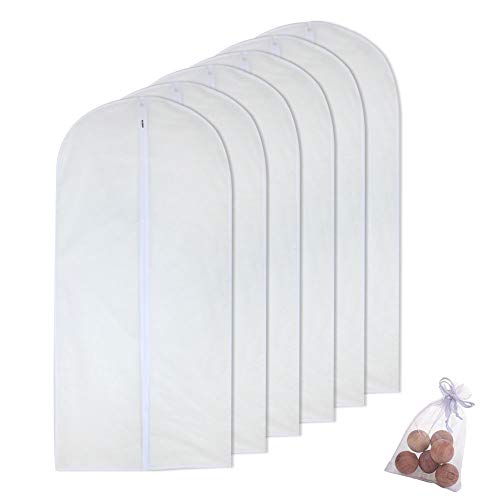
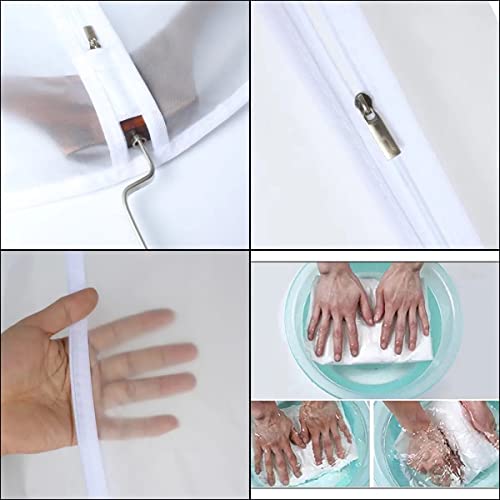
The most common mistake consumers make is opting for cheap, non-breathable polyethylene plastic covers. While these are effective at blocking immediate dust, they trap moisture inside. This creates a micro-climate that can lead to mildew, mold, and a musty odor that is incredibly difficult to remove from natural fibers like wool or cotton. When shopping, look for covers made from breathable fabrics such as non-woven polypropylene, cotton canvas, or high-grade muslin. These materials allow for air circulation, which regulates humidity levels within the cover and ensures that your garments can 'breathe,' preventing the buildup of moisture that leads to fabric degradation.
Consider Material Weight and Opacity
Not all breathable fabrics are created equal. For seasonal storage—where items may sit untouched for six months or more—heavyweight canvas or thick non-woven materials are superior because they provide a more substantial physical barrier against pests and light. If your closet is exposed to sunlight, opacity becomes a critical factor. UV rays can cause significant fading in dark fabrics and can weaken the structural integrity of delicate silks. Opt for darker or thicker covers if your garments are stored in a sunlit area. Conversely, for daily use items that you rotate frequently, a lightweight, semi-transparent muslin might be more convenient for quick visual identification.
Evaluate Structural Integrity and Fastenings
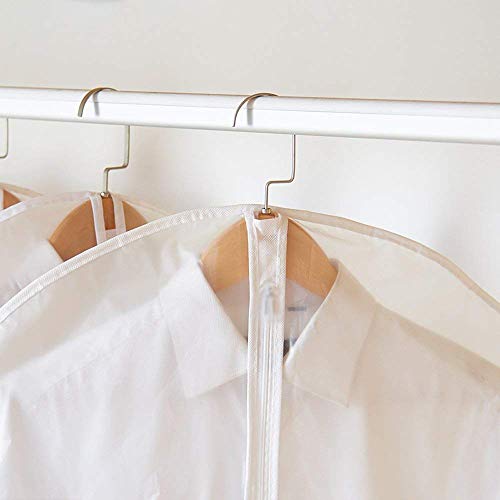
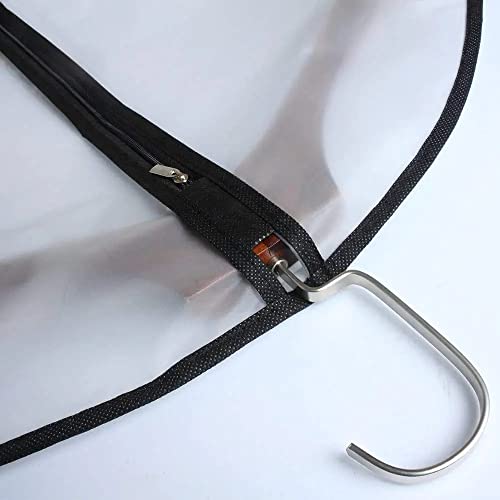
A garment cover is only as good as its ability to maintain its shape. Cheap covers often collapse, causing the fabric to bunch and creating wrinkles that require heavy steaming to remove. Look for covers that feature reinforced tops or structured shoulders to help maintain the silhouette of structured jackets and coats. Additionally, pay close attention to the closure mechanism. Zippers are the standard, but they can be a point of failure. Look for high-quality, smooth-gliding zippers that won't snag the delicate threads of your clothing. For long-term storage, a zipper that includes a protective fabric flap (a storm flap) is ideal, as it prevents dust from seeping through the teeth of the zipper.
Sizing and Dimensional Logic
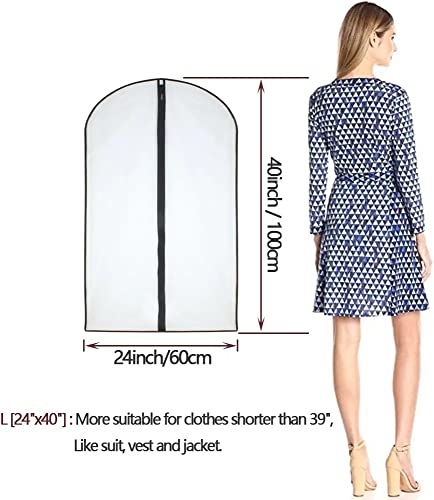
One size does not fit all in the world of garment protection. If you are storing bulky items like puffer jackets or heavy overcoats, a standard slim-fit cover will compress the garment, potentially damaging the loft of the insulation or creating deep creases. For these items, seek out 'extra-wide' or 'oversized' covers. For formal wear, ensure the length of the cover provides ample clearance from the floor to prevent the hem from touching the closet base, where dust and moisture levels are highest. When building a collection of covers, it is wise to invest in a variety of lengths and widths to match the specific architecture of your wardrobe.
Recommendation Logic
When making your final selection, use this logic: If you are storing high-value heirlooms or delicate silks, invest in 100% cotton or muslin covers for maximum breathability. If you are organizing a seasonal rotation of heavy coats, prioritize thick, non-woven fabric with reinforced structural tops. For budget-conscious daily organization, high-quality non-woven polypropylene offers a balanced middle ground between protection and cost-effectiveness. Always avoid thin, clear plastic if you plan on storing natural fibers for more than a few weeks.