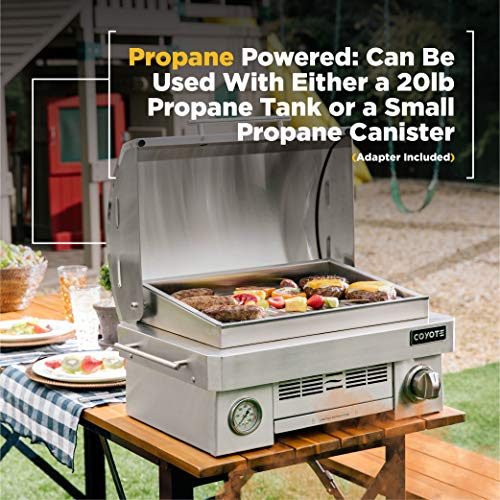
Understanding BTU Output and Burner Configuration
The primary driver of performance in any premium gas grill is the total British Thermal Units (BTUs) delivered to the cooking surface. For Coyote grills, you aren't just looking at a single number, but how that heat is distributed. High-end models often feature high-output burners that allow for rapid preheating and intense searing. When evaluating these units, look closely at the burner design—stainless steel burners are the standard for durability and heat retention. A grill with higher BTUs per burner allows for more precise zone control, enabling you to create high-heat searing areas alongside lower-temperature zones for delicate proteins or vegetables. If you frequently cook large quantities of meat simultaneously, prioritize models with a higher total BTU rating to ensure the temperature doesn't plummet when cold food hits the grates.
Material Integrity and Weather Resistance
Because these grills are intended for permanent outdoor installation, the metallurgy used in their construction is non-negotiable. You should look for high-grade stainless steel across all critical components, including the hood, the chassis, and the cooking grates. Premium grills often utilize thicker gauge steel, which provides better thermal mass—meaning the grill holds its temperature more steadily even when the ambient air temperature fluctuates. Pay attention to the grates specifically. Heavy-duty cast iron or thick stainless steel rods are preferable for heat retention and creating those iconic grill marks. A well-built grill should feel substantial and resist warping or discoloration caused by extreme heat and moisture over time.
Cooking Surface Area and Configuration
The physical dimensions of the grill must align with your culinary habits and your kitchen's footprint. A common mistake is selecting a grill based solely on width without considering the usable cooking surface. Some models may have a large footprint but limited actual cooking space due to internal components or warming racks. Consider whether you need a wide, flat expanse for large cuts like brisket and ribs, or if you prefer a more segmented layout that allows for better heat management. Additionally, consider the presence of integrated accessories like sear stations or dedicated warming areas, which can significantly expand the versatility of your outdoor kitchen without requiring additional appliances.
Integration and Design Aesthetics
Since Coyote grills are frequently integrated into custom cabinetry and stone countertops, the design language of the unit is a key decision factor. You must decide between freestanding units and built-in models. Built-in models require a seamless fit into your outdoor kitchen island, offering a sophisticated, high-end look that makes the grill feel like a permanent architectural feature. When selecting a built-in unit, ensure the depth and height requirements align with your cabinetry plans. Furthermore, consider the control interface. Tactile, heavy-duty knobs provide a more premium user experience and better durability compared to lightweight plastic alternatives. The goal is a cohesive look where the grill complements your outdoor living space rather than looking like an afterthought.