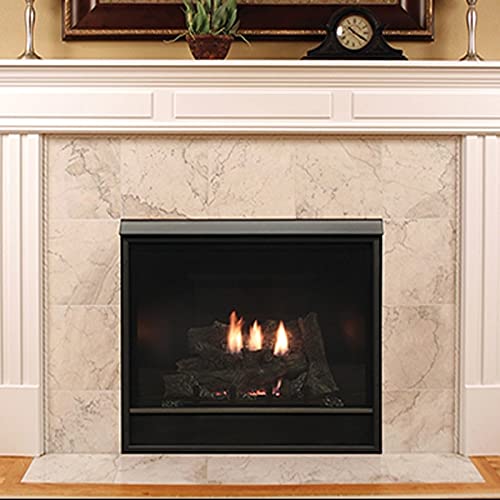
Understanding Log Set Configurations
The first decision you must make is whether you require a standard log set or a specialized configuration. Standard sets are designed for traditional open-front fireplaces where the logs sit on a grate and the flame rises through the center. However, if you are working with a gas insert or a decorative glass-fronted unit, you may need a set specifically engineered for those enclosures. Pay close attention to the 'flame pattern' requirements. Some sets are designed to mimic a single large birch log, while others offer a multi-log forest look. The configuration will dictate how much heat is radiated into the room versus how much escapes up the chimney.
Fuel Type and Connection Requirements
Before selecting a set, you must confirm your fuel source. Empire Comfort Systems offers options for both natural gas and liquid propane. While they may look identical, the orifices and gas flow rates are calibrated differently. Using a natural gas set with propane will result in an uncontrolled, dangerous flame, while using a propane set with natural gas will result in a weak, sputtering fire that fails to provide warmth. Additionally, consider whether you need a continuous pilot or an electronic ignition system. Electronic ignition offers the convenience of a remote or a switch, eliminating the need for a constant pilot light, which can save on fuel costs and increase safety.
Material Composition and Realism
The aesthetic quality of gas logs depends heavily on the materials used. High-quality sets utilize refractory ceramic to withstand extreme temperatures without cracking or losing their color. When evaluating a set, look for 'depth' in the texture. Premium logs feature realistic bark patterns, soot-like shading, and varying thicknesses that prevent the 'plastic' look common in cheaper alternatives. The way the light interacts with the ceramic is crucial. A well-designed set will catch the light of the flame to create shadows, mimicking the organic movement of a real wood fire.
Heat Output and BTU Ratings
Gas logs are often used for supplemental heating, making the BTU (British Thermal Unit) rating a critical factor. If your primary goal is ambiance, a lower BTU set is sufficient. However, if you intend to use the fireplace to take the chill off a room during winter, you should look for sets with higher heat output. Be mindful of your fireplace's venting capacity. Installing a high-BTU log set in a fireplace with insufficient venting can lead to overheating or improper combustion. Always match the log set's heat output to the specific dimensions and venting capabilities of your fireplace unit.
Installation and Safety Considerations
Finally, consider the ease of installation and the safety features included. Most sets require a professional gas technician to ensure the connections are leak-proof and the venting is correct. Look for sets that include a sturdy grate and stable base to prevent log shifting, which can cause uneven flame patterns or dangerous heat concentrations. A stable log set ensures that the flame remains directed upward and away from the fireplace mantle or any combustible materials in the room.