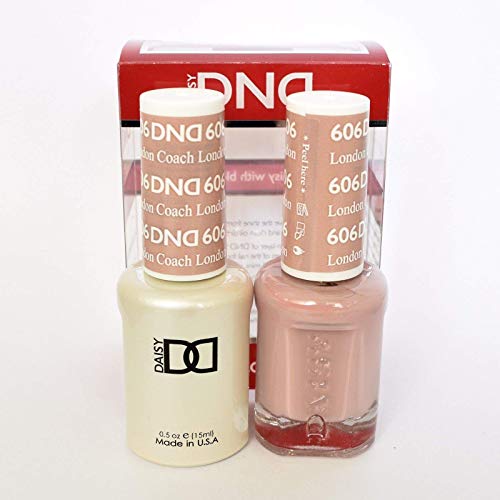
Not all gel polishes are created equal, especially when you are aiming for intricate designs like daisy patterns. When selecting a polish, pay close attention to the viscosity. A thicker, high-viscosity gel is excellent for building out 3D textures—perfect if you want your daisy petals to have a tactile, embossed feel. However, for the fine lines required for the center of the flower or delicate stems, a medium-to-low viscosity polish is essential. A thinner formula allows for better leveling, preventing those dreaded streaks or 'pooling' around the cuticle. Look for 'self-leveling' properties in the product description, as this ensures the polish settles into a smooth, professional finish without requiring excessive manipulation under the lamp.
Pigment Density and Color Payoff
Daisy designs often rely on a high contrast between the white or pastel petals and the yellow or gold centers. This means you need a polish with exceptional pigment density. A low-quality gel will require multiple coats to achieve opacity, which increases the risk of shrinkage or uneven curing. Aim for polishes that offer full opacity in two thin coats. For the white base of your daisies, look for a 'stark white' or 'milky white' rather than a translucent shade, unless you are intentionally going for a sheer, ethereal look. High-quality pigments ensure that the color remains vibrant and doesn't turn yellow or cloudy over time due to UV exposure.
Compatibility and Curing Requirements
One of the most critical decision factors is how the polish interacts with your existing toolkit. Ensure the gel polish you choose is compatible with your specific LED or UV lamp wattage. Some professional-grade gels require a specific wavelength to cure fully. If the polish is under-cured, it can lead to lifting, allergies, or a tacky surface that attracts dust. Additionally, consider the 'system' approach. While many artists mix and match, using a base coat and top coat from the same professional line as your color polish often results in superior adhesion and a more cohesive chemical bond, which is vital for preventing the edges of your floral art from peeling.
Longevity and Chip Resistance
The primary reason to choose gel over traditional lacquer is longevity. When evaluating a brand, look for reviews or specifications that mention 'non-yellowing' formulas and high adhesion capabilities. A great daisy gel polish should be flexible enough to move with the natural nail to prevent cracking, yet hard enough to resist scratches from daily activities. If you are planning to use the polish for detailed nail art, ensure the top coat you pair it with is specifically designed for 'high shine' and 'scratch resistance' to protect those delicate floral details from fading or dulling.