Prioritize Fabric Technology and Moisture Management
The most critical factor in any base layer is the material composition. Avoid 100% cotton at all costs. Cotton absorbs sweat and stays heavy and cold against the skin, which can lead to rapid chilling. Instead, look for synthetic blends—typically polyester, nylon, or elastane—that feature moisture-wicking properties. These fabrics are engineered to pull sweat away from the skin to the outer surface of the garment where it can evaporate quickly. For extreme cold, look for layers that incorporate brushed fleece linings or specialized thermal fibers designed to trap heat while still allowing breathability.
Consider Compression vs. Comfort Fit
Base layers generally fall into two categories: compression and standard athletic fit. Compression layers are designed to hug the muscles tightly, which can aid in circulation and reduce muscle vibration during impact sports. However, for younger athletes, excessive compression can sometimes feel restrictive or uncomfortable. If the athlete is using the layer for warmth in cold weather, a standard athletic fit (tight but not squeezing) is often preferable to allow for better airflow. If the goal is recovery or high-performance stability, a moderate compression fit is the better choice. Always check the elasticity to ensure the garment retains its shape after multiple washes.
Seamless Construction and Irritation Prevention
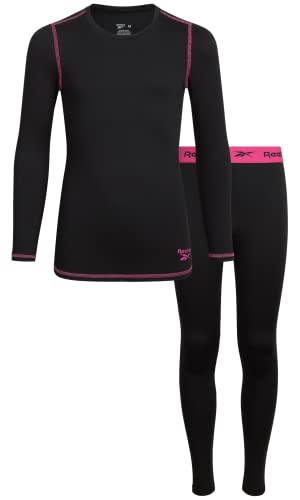
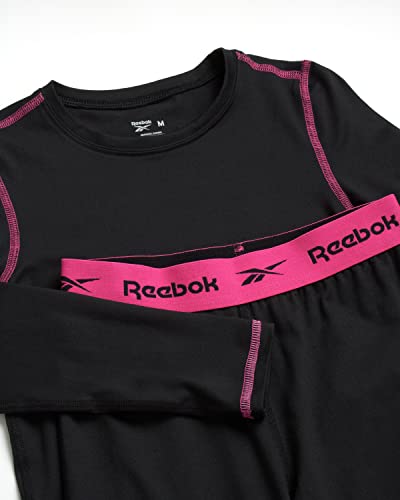
Younger skin can be more sensitive to friction, especially during repetitive motions like running or cycling. Look for 'seamless' construction or flatlock stitching. Flatlock seams lie flat against the skin rather than protruding, which significantly reduces the risk of chafing and skin irritation. Additionally, pay attention to the waistband and necklines. They should be soft and elastic enough to stay in place without digging into the skin. A base layer that requires constant adjusting is a failed piece of equipment.
Seasonal Versatility and Layering Logic
When building a collection, consider the environment of the sport. For indoor sports like gymnastics or volleyball, a lightweight, breathable mesh-panel layer is ideal to prevent overheating. For outdoor sports like skiing or soccer in the winter, a heavier-weight thermal layer is necessary. A smart way to shop is to look for 'layering systems.' This means choosing a base layer that is thin enough to fit comfortably under a jersey or uniform, but effective enough that it can act as a standalone piece during warm-ups.
Durability and Ease of Care
Athletic gear undergoes frequent, heavy laundering. Look for high-quality synthetic blends that are rated for machine washing and quick drying. Fabrics that lose their elasticity or 'pill' (form small balls of fuzz) after a few washes will quickly become uncomfortable and lose their functional benefits. Check the garment labels for durability indicators and ensure the fabric remains opaque even when stretched.