Prioritize Material Durability and Texture
The first thing to consider is the material. For younger girls, durability is paramount. Synthetic leathers (often called faux leather or vegan leather) are excellent choices because they are easy to wipe clean and tend to be more resistant to water and stains than genuine leather. This is ideal for school wear where spills are inevitable. If you are looking for a more premium, formal option, a soft, supple leather belt can add a touch of sophistication to holiday dresses. However, keep in mind that real leather requires more care to prevent cracking. For casual, summer styles, woven fabric or braided cotton belts offer a relaxed, bohemian vibe that is breathable and highly adjustable.
Consider the Closure Mechanism
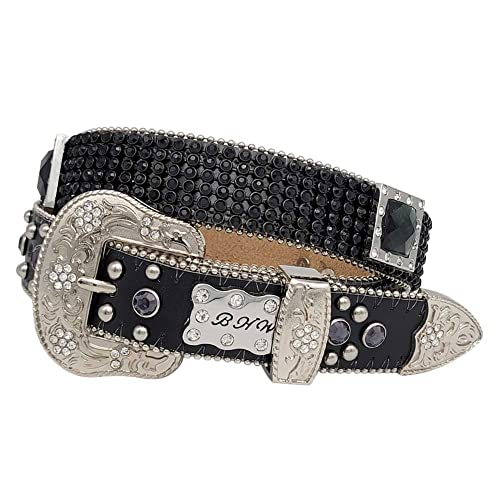
The type of buckle or closure can significantly impact how easy the belt is for a child to use independently. Traditional prong buckles are the gold standard for longevity and adjustability, allowing the belt to grow with the child as they hit growth spurts. For toddlers or very young children, look for elasticized waistbands or Velcro-style closures that allow for quick adjustments without the frustration of tiny holes. If the belt is intended for a formal occasion, a decorative buckle—such as one featuring metallic finishes, rhinestones, or whimsical shapes—can act as the primary jewelry of the outfit.
Match Style to Occasion and Functionality
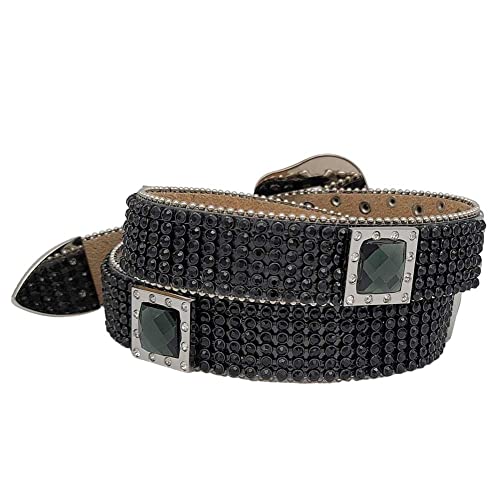
A belt's utility changes based on its design. A skinny, decorative belt is perfect for cinching the waist of a floral sundress or a lightweight tunic, adding a delicate touch without being bulky. Conversely, a wider belt with a sturdier construction is better suited for denim skirts or trousers, providing necessary structural support. When selecting a belt for a specific event, think about the 'visual weight.' A heavy, studded belt might clash with a delicate lace dress, whereas a slim, metallic belt would complement it beautifully. For everyday school wear, opt for neutral colors like tan, navy, or black that can rotate through multiple outfits effortlessly.
Sizing and Adjustability Factors
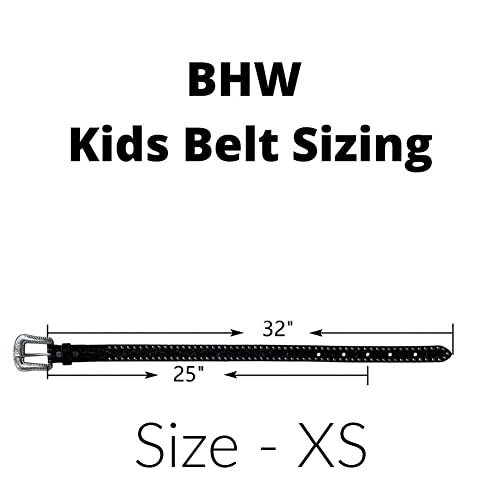
One of the biggest challenges in buying accessories for growing children is sizing. Unlike adults, children's waistlines change rapidly. To ensure longevity, look for belts with multiple pre-punched holes or, even better, braided designs that allow the wearer to tuck the prong anywhere along the weave. This provides a customized fit that can accommodate weight fluctuations and growth. Always measure the child's waist at the specific point where the belt will sit—some girls wear belts high on the natural waist, while others prefer them lower on the hips. A belt that is too tight will be uncomfortable for all-day wear, while one that is too loose will constantly slip, causing distraction.
Color Coordination and Versatility
When building a wardrobe, versatility is key. While bright, neon, or patterned belts are fun for seasonal trends, investing in a few 'anchor' pieces in classic tones will provide more value. A metallic gold or silver belt can transition from a birthday party to a holiday celebration, while a classic brown or black belt works for almost any casual setting. If the child has a strong sense of personal style, consider a belt that incorporates their favorite colors or themes, making the accessory feel like a special part of their identity rather than just a functional necessity.