Understanding the Sole: Slide vs. Brake
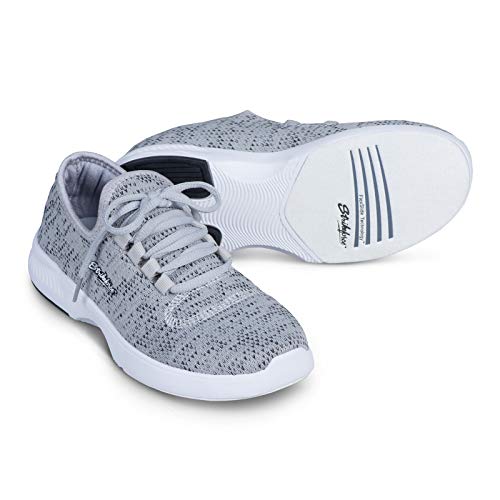
The most critical component of any bowling shoe is the sole. Unlike standard athletic shoes designed for grip, bowling shoes are engineered to facilitate a specific motion: the slide. Most high-quality youth bowling shoes feature a specialized sliding sole, typically made of microfiber or leather, on the non-dominant foot. This allows the bowler to glide smoothly toward the foul line during their release. On the other foot, the shoe will have a 'brake' sole, which is designed to provide traction and stability to prevent slipping. When shopping, consider the skill level of the child. A beginner might benefit from a more controlled, stable brake, while a competitive youth bowler will require a more responsive sliding sole to master advanced footwork.
Material Durability and Comfort
Bowling involves repetitive lateral movements and sudden stops, which puts stress on the shoe's construction. Look for synthetic leather or high-grade treated leathers that offer a balance of flexibility and durability. Synthetic materials are often easier to clean and maintain, which is a major plus for younger players. Additionally, pay close attention to the interior cushioning. Because bowling involves standing and walking on hard surfaces for extended periods, a well-padded insole is essential to prevent foot fatigue. Ensure the toe box is spacious enough to allow for natural toe splay during the slide, as tight shoes can lead to discomfort or even blisters during a long session.
Adjustability and Fit for Growing Feet
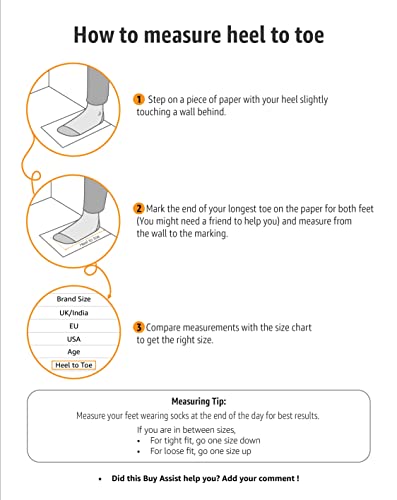
Children's feet grow rapidly, making fit a moving target. While you want a shoe that fits snugly enough to prevent the foot from sliding around inside the shoe—which can cause instability—you must avoid overly restrictive models. Many top-tier youth brands offer adjustable closure systems, such as hook-and-loop straps or lace-up options, rather than slip-ons. These adjustable features allow for a customized fit that can accommodate slight changes in foot volume. A secure fit ensures that the energy from the child's approach is transferred efficiently to the lane, rather than being lost to a loose shoe.
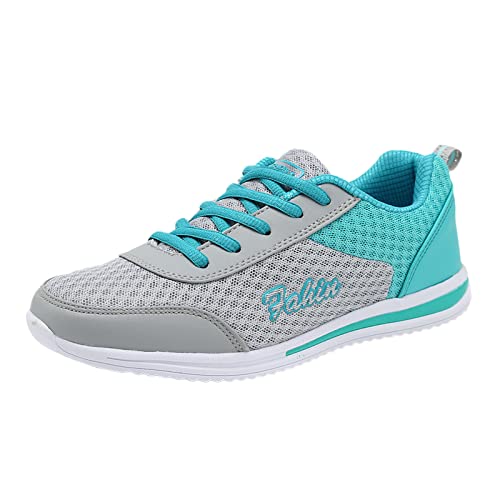
While aesthetics are important to young bowlers, it is vital not to sacrifice performance for style. Many modern bowling shoes come in vibrant colors and trendy designs to appeal to kids, but always check the technical specifications. A shoe that looks great but lacks a dedicated sliding sole will hinder a child's ability to learn the mechanics of the game. For those looking for longevity, consider investing in a performance-oriented shoe that can grow with their skill level, rather than a budget-friendly novelty shoe that may only last a single season of league play.
Summary Checklist
- Sole Type: Ensure there is a clear distinction between the sliding sole and the traction sole.
- Closure System: Prioritize laces or straps for a customizable, secure fit.
- Weight: Look for lightweight materials to prevent leg fatigue.
- Breathability: Opt for materials that allow for airflow during intense play.