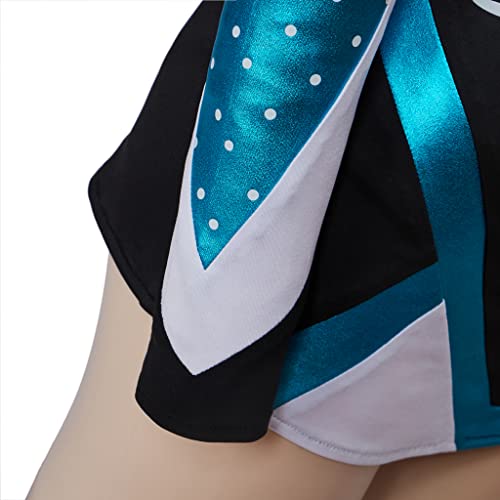
Prioritize Fabric Elasticity and Breathability
The most critical factor in a cheerleading dress is the textile composition. You should look for high-performance blends, typically involving spandex, elastane, or Lycra mixed with polyester. These materials provide 'four-way stretch,' which is essential for high-kick motions and tucks. Avoid heavy, rigid cotton blends that absorb sweat and become heavy during a routine. Instead, opt for moisture-wicking fabrics that pull perspiration away from the skin, keeping the athlete cool and preventing the fabric from clinging uncomfortably during high-intensity segments of a routine.
Evaluate Construction and Seam Durability
Cheerleading is a high-impact sport. A dress that looks beautiful on a hanger might fail during a basket toss if the seams aren't reinforced. Check for flatlock stitching, which lies flat against the skin to prevent chafing and provides much stronger structural integrity than standard overlock seams. Additionally, pay close attention to the waistband and the hemline. A wide, elasticized waistband helps the dress stay securely in place during inversions, while a reinforced hem prevents the skirt from fraying or riding up excessively during jumps.
Consider the Skirt Silhouette and Coverage
When selecting a dress, the silhouette plays a major role in both aesthetics and functionality. Most cheer dresses feature an A-line or flared skirt to allow for maximum leg extension. For younger girls or those in competitive environments, look for styles that include built-in compression shorts or 'spankies' underneath the skirt. This provides essential coverage during tumbling and ensures that the athlete remains modest and comfortable regardless of how much they move. A dress with a built-in bodysuit or leotard base is often the gold standard for preventing wardrobe malfunctions.
Design, Theme, and Customization
Once functionality is secured, consider the visual impact. For school-based cheerleading, colors should align with school spirit. For dance-heavy cheer routines or themed performances, you might look for sequins, holographic foils, or sublimation printing. Sublimation is particularly effective for youth uniforms because the designs are dyed directly into the fabric, meaning the patterns won't crack, peel, or add unnecessary weight to the garment. If the dress is for a one-time costume event, prioritize high-glitz elements like glitter mesh. If it is for regular practice, prioritize simplicity and ease of washing.
Sizing and Fit Logic
Sizing for youth cheerwear can be tricky because it must be 'athletic fit'—snug enough to stay in place, but not so tight that it restricts breathing or circulation. Always check the size charts specifically for 'athletic sizing' rather than standard children's clothing sizes. If a girl is between sizes, it is generally better to size up slightly and rely on the elastic components for a snug fit, rather than sizing down and risking restricted movement or seam failure.