The Chamois: The Heart of the Bib
The most important feature of any cycling bib is the chamois—the specialized padding located in the crotch area. For girls, look for a chamois that is anatomically shaped to provide support without being overly bulky. A chamois that is too thick can cause heat buildup and discomfort, while one that is too thin will lead to saddle sores during longer rides. High-quality bibs often feature multi-density foam, which is firmer in areas that require support and softer in areas that contact the saddle. When evaluating options, check if the padding is sewn directly into the liner or if it is a separate insert. A seamless integration is generally preferred to prevent skin irritation caused by friction during repetitive pedaling motions.
Fabric Composition and Compression
Cycling bibs are not just about padding. They are about managing temperature and muscle fatigue. Look for technical fabrics that incorporate a blend of polyester, nylon, and elastane (Spandex). The elastane content determines the 'compression' level of the pants. For girls, a moderate compression is ideal—it should feel like a second skin that holds everything in place without being so tight that it restricts breathing or digestion. Furthermore, ensure the fabric features moisture-wicking properties. As young riders work harder, they sweat more. The fabric must pull that moisture away from the skin to the outer layer of the garment to facilitate rapid evaporation, preventing the 'chilled' feeling that occurs when sweat sits against the skin during descents.
Bib Strap Design and Waistband Comfort
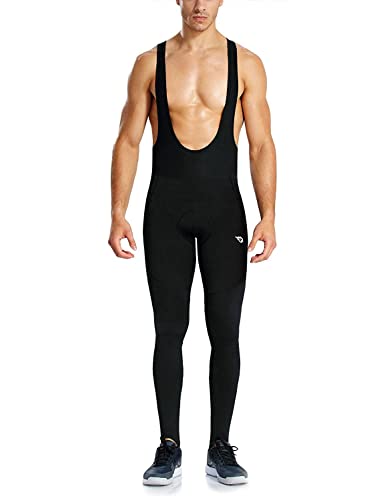
The 'bib' part of the pants refers to the shoulder straps that hold the garment up. This design is superior to waistbands because it eliminates the pressure of a tight elastic band around the stomach, which can be uncomfortable when leaning forward in an aerodynamic position. For girls, look for straps that are wide and soft. Narrow straps can 'dig in' to the shoulders, causing discomfort during long climbs. Some premium bibs offer adjustable straps or wider mesh panels that allow for better airflow around the chest and shoulders. Additionally, ensure the straps are made of a high-stretch material that won't lose its shape over time, as maintaining consistent tension is key to keeping the chamois perfectly positioned.
Seam Construction and Ergonomics
Because cycling involves constant, repetitive motion, the way the pants are put together matters immensely. Flatlock stitching is the gold standard here. Unlike traditional raised seams, flatlock seams lie flat against the skin, significantly reducing the risk of chafing. Pay attention to the 'ergonomic cut' of the pants. Since girls often have different hip-to-waist ratios than boys, look for brands that specifically design their patterns for female anatomy. This ensures that the tension of the fabric is distributed correctly across the hips and thighs, preventing the garment from riding up or pulling awkwardly when the rider is in a seated or standing position.
Durability and Weather Resistance
Finally, consider the intended use. If the rider is primarily cycling in spring or autumn, look for bibs with a higher GSM (grams per square meter) weight, which indicates a thicker, more wind-resistant fabric. If they are summer riders, prioritize high breathability and mesh ventilation panels. Regardless of the season, the elastic components and the chamois should be tested for durability. High-quality bibs should withstand frequent washing without the padding shifting or the elastic losing its 'snap.'