The most critical factor in gymnastics clothing is the textile composition. You should look for high-quality synthetic blends, typically involving nylon, spandex, or polyester. These materials provide the necessary four-way stretch required for splits, tucks, and handstands. Avoid cotton-heavy blends for active training. While cotton is comfortable for lounging, it absorbs sweat, becomes heavy, and loses its shape during vigorous movement, which can lead to chafing or tripping hazards. Look for 'moisture-wicking' labels, which indicate the fabric is designed to pull sweat away from the skin, keeping the gymnast dry and preventing the garment from becoming slippery or heavy during routines.
Understanding Fit and Coverage
A proper fit in gymnastics is a balance between security and freedom. A leotard that is too loose will ride up or slip during inversions, which is both distracting and potentially unsafe. Conversely, a leotard that is too tight can restrict breathing and cause discomfort during deep stretches. When evaluating fit, pay close attention to the leg openings and the shoulder straps. For competitive gymnasts, high-cut leg openings are common to allow for maximum hip mobility, but for younger beginners, a more moderate cut may provide more confidence and comfort. Ensure the straps are wide enough to stay in place during tumbling but not so thick that they restrict arm movement.
Categorizing by Use: Training vs. Competition
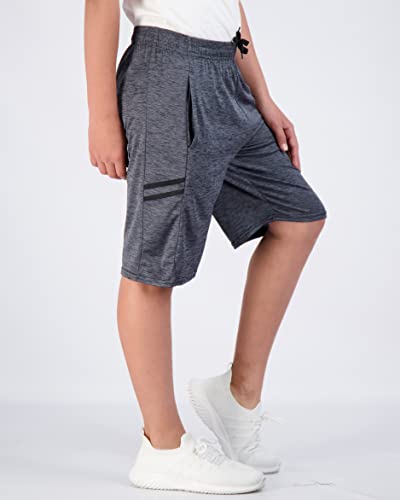
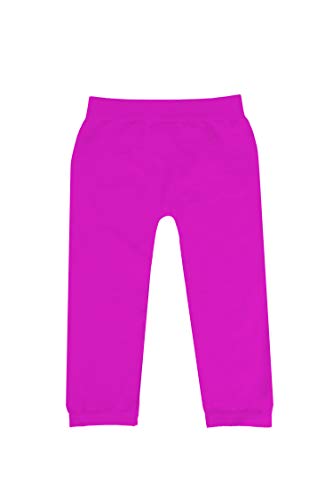
Your purchasing strategy should change based on the setting. Training gear should focus on utility and durability. For daily practice, breathable tank-style leotards, compression shorts, and sturdy leggings are ideal. These pieces can withstand frequent washing and the friction of bars and floor mats. Competition gear, however, is a different beast entirely. Competition leotards often feature embellishments like rhinestones, foil prints, or intricate mesh paneling. While these are visually stunning, ensure that any embellishments are securely attached so they don't scratch the skin or fall off during a routine. For meets, don't forget the importance of warm-up suits. A cohesive, professional-looking jacket and pant set helps build a sense of team unity and keeps muscles warm during long waits between rotations.
Safety and Skin Sensitivity
Gymnasts spend a lot of time in close contact with their clothing, making skin sensitivity a major consideration. Look for garments with 'flatlock stitching.' This type of seam lies flat against the skin, significantly reducing the risk of chafing during repetitive movements. Additionally, check for seamless constructions in high-friction areas like the underarms and inner thighs. If your child has sensitive skin, opt for high-quality, non-toxic dyes and avoid garments with excessive scratchy lace or stiff sequin backing that could cause irritation during a high-heart-rate workout.
Maintenance and Longevity
Because gymnastics clothing is subject to intense sweat and frequent laundering, longevity is a key value driver. High-quality spandex maintains its 'snap-back' ability (the ability to return to its original shape) much longer than cheaper alternatives. To extend the life of your investment, always wash gymnastics apparel in cold water on a gentle cycle and, most importantly, never put them in the dryer. The high heat of a dryer breaks down the elastic fibers, leading to 'baggy' leotards that no longer provide the necessary compression.