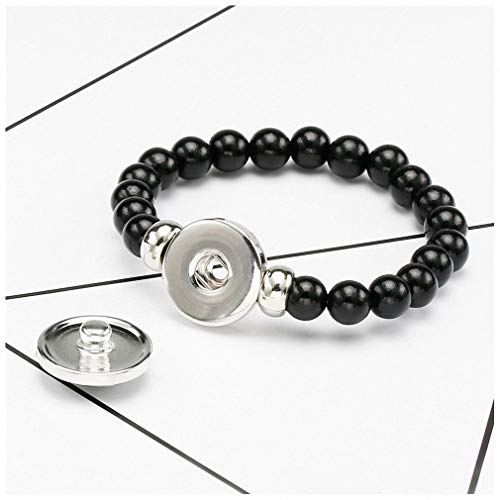
Material Durability and Skin Sensitivity
When selecting a link bracelet for a child, the most critical factor is the composition of the metal. Children have much more sensitive skin than adults, making the risk of contact dermatitis or allergic reactions to nickel a primary concern. Look for bracelets that utilize hypoallergenic materials, such as high-quality stainless steel or gold-plated alloys that are specifically labeled as nickel-free. Since link bracelets involve moving parts and friction against the wrist, the plating must be thick and durable to prevent the base metal from showing through after just a few wears. A high-quality finish ensures the bracelet maintains its luster through playground activities and handwashing.
Link Style and Aesthetic Versatility
The 'link' aspect of these bracelets defines their character. There are several distinct styles to consider depending on the girl's age and personal taste. Curb links are classic and sturdy, providing a timeless look that works well for formal events. Figarolinks, characterized by alternating long and short links, offer a more rhythmic and trendy aesthetic. For younger children, you might look for charms integrated directly into the links, which adds a whimsical, storytelling element to the jewelry. If the goal is a versatile piece that can transition from a school day to a wedding, opt for a slim, dainty link pattern that isn't too bulky or distracting.
Sizing and Adjustability
One of the biggest mistakes in purchasing children's jewelry is selecting a size that is too tight, which can be uncomfortable, or too loose, which poses a snagging hazard. Because children grow rapidly, look for bracelets that feature an extender chain. An extender allows the bracelet to be adjusted as the child's wrist circumference increases, extending the lifespan of the piece. For very young children, a snugger, more secure fit is preferable to prevent the bracelet from slipping off during play. Always measure the child's wrist with a soft measuring tape before purchasing to ensure the base length is appropriate.
Closure Security
The mechanism used to fasten the bracelet is just as important as the links themselves. For active girls, a standard lobster claw clasp is generally the gold standard because it is secure and easy for older children to manipulate. However, for toddlers, you may want to look for spring ring clasps which are often more streamlined. Avoid any bracelets with flimsy or overly complicated clasps that might pop open unexpectedly. A secure closure provides peace of mind, ensuring that the precious accessory stays on the wrist and doesn't end up lost in a sandbox or a classroom.
Maintenance and Longevity
To keep a link bracelet looking new, consider how much maintenance it will require. Solid link structures are generally easier to clean than intricate charm bracelets, which can trap dirt in the crevices. When choosing a piece, think about whether the child will be wearing it frequently. If it is a daily-wear item, prioritize sturdier links that can withstand the minor bumps and scrapes of childhood. A quick wipe with a soft, lint-free cloth after wear will prevent oils and perspiration from dulling the metal's shine.