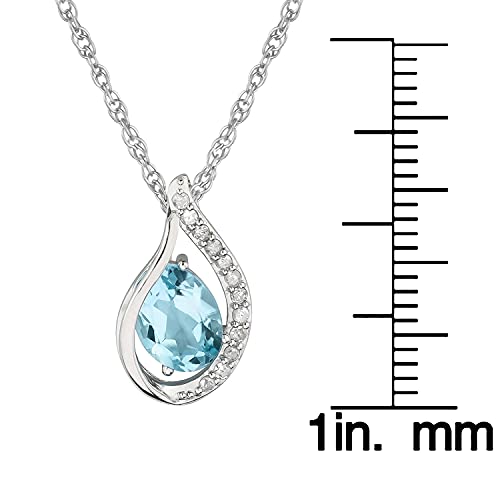
Prioritize Material Longevity and Skin Sensitivity
When selecting jewelry for younger wearers, the most critical factor is the metal composition. Children and teenagers often have more sensitive skin, making hypoallergenic properties a non-negotiable requirement. Look for pendants crafted from sterling silver, gold-plated stainless steel, or high-quality gold alloys. Avoid 'mystery metals' or low-grade costume alloys that contain high levels of nickel, as these are the primary culprits for skin irritation and green discoloration on the neck. If you are looking for a piece that will withstand daily wear—such as sports, swimming, or playground activities—stainless steel is an exceptional choice due to its resistance to tarnishing and corrosion. For more formal occasions, a fine silver or gold pendant offers a premium feel that ages beautifully.
Identify the Design Theme and Age Appropriateness
The 'vibe' of the pendant should align with the wearer's current interests and developmental stage. For younger girls, themes often lean toward the playful and imaginative: butterflies, stars, hearts, or whimsical animals. These pieces are often accompanied by bright colors, perhaps through enamel work or colorful gemstones. As girls transition into their teenage years, their tastes often shift toward more curated, aesthetic-driven designs. This is when you might see a preference for celestial motifs (moons and constellations), initial pendants for personalization, or minimalist geometric shapes. A well-chosen pendant should feel like an extension of their identity. If you are unsure of their specific taste, a classic solitaire crystal or a delicate locket provides a timeless middle ground that works for almost any age.
Evaluate the Chain and Clasp Functionality
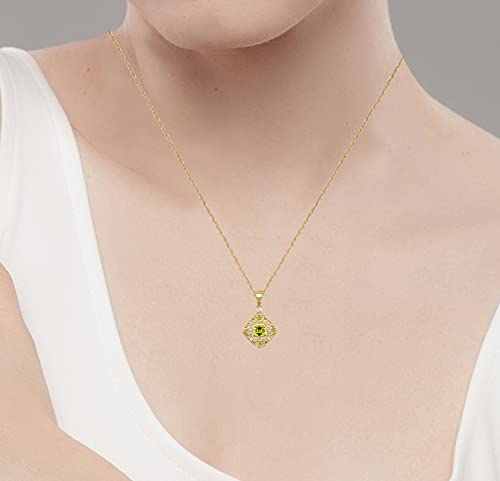
A pendant is only as good as the necklace it hangs from. For girls, the chain should be sturdy enough to prevent snapping but fine enough to remain delicate and comfortable. Cable chains are a reliable standard, offering a balance of strength and elegance. Pay close attention to the clasp. Lobster claws are generally more secure and easier for older children to manipulate than spring ring clasps. Furthermore, consider the length of the chain. A shorter, 'choker' style length is trendy for teenagers, while a slightly longer chain allows for layering, which is a popular styling technique among Gen Z and Alpha fashion enthusiasts. Ensure the pendant sits centrally on the chain and does not slide excessively to one side, which can be frustrating for daily wear.
Consider the 'Glow' and Embellishments
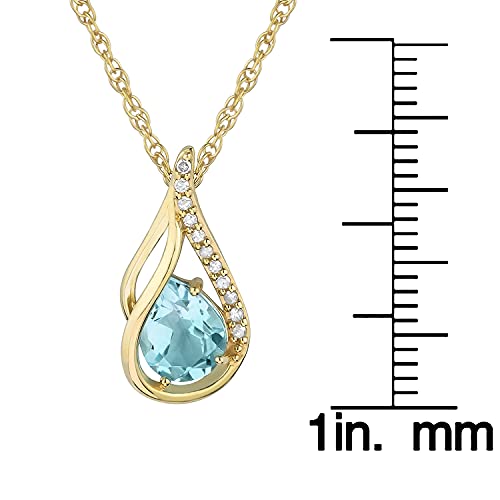
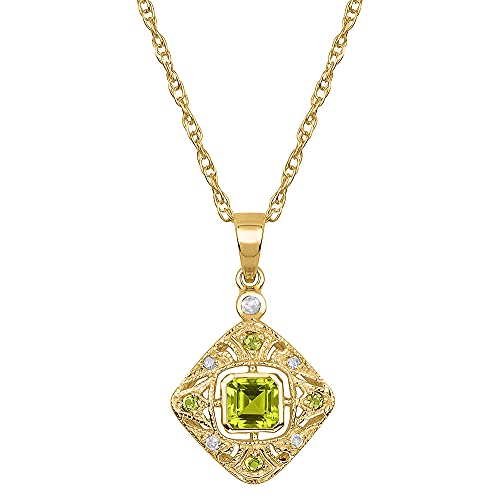
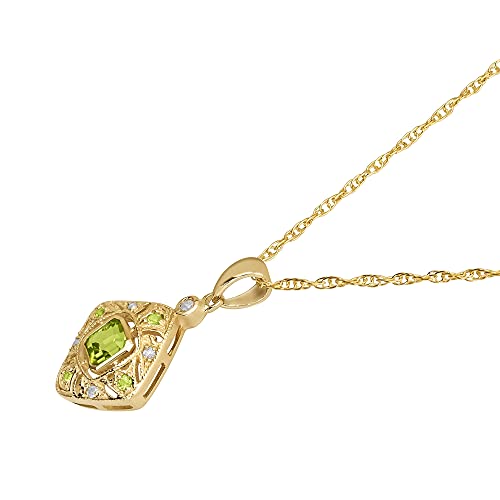
Many popular pendants for this demographic feature embellishments like cubic zirconia, colorful resins, or iridescent coatings. When evaluating these, look for how the light interacts with the piece. High-quality stones should be securely seated in prongs or bezels to prevent them from falling out during active play. Bezel settings (where the metal surrounds the entire stone) are particularly recommended for active girls because they offer maximum protection for the stone and prevent sharp edges from catching on clothing or skin. If the pendant uses enamel, ensure the finish is smooth and even, as chipped enamel can quickly make a piece look inexpensive and worn.
Summary of Recommendation Logic
To make the best decision, follow this hierarchy: First, check for hypoallergenic materials to ensure comfort. Second, match the motif to the wearer's age and aesthetic preference. Third, verify the durability of the chain and the security of the stone settings. By following these steps, you move beyond a simple purchase and instead select a meaningful piece of jewelry that celebrates the wearer.