Prioritizing Fabric Technology and Moisture Management
For a young runner, the most critical factor is the material composition. Avoid 100% cotton at all costs. While cotton is comfortable for lounging, it acts like a sponge when a child begins to sweat. Once wet, cotton becomes heavy, clings to the skin, and can cause a rapid drop in body temperature once the run is over. Instead, look for synthetic blends specifically labeled as 'moisture-wicking' or 'quick-dry.' Polyester and nylon blends are the industry standard for a reason: they pull sweat away from the skin to the surface of the fabric where it can evaporate. For 2XS sizes, ensure the fabric has enough stretch (often via elastane or Spandex) to allow for a full range of motion without feeling restrictive.
Understanding Fit and Scale-Appropriate Design
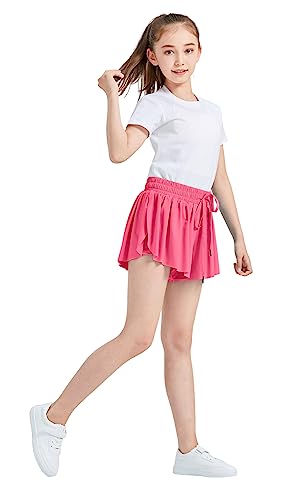
The '2XS' designation can vary significantly between brands, so pay close attention to the cut. In girls' running gear, you want to look for 'athletic fits' that follow the body's contours without being overly compressive. If a shirt is too baggy, the excess fabric will flap against the skin, causing friction and discomfort. Conversely, if leggings or shorts are too tight, they can impede circulation or cause skin irritation at the seams. Look for flatlock seams—a construction method where the fabric edges are butted together rather than overlapped. This minimizes the bulk of the seam, which is essential for preventing chafing on sensitive skin during repetitive running motions.
Layering for Variable Environments
Running is highly dependent on the weather, and young athletes often struggle with temperature regulation. A complete running kit for a 2XS girl should include modular layers. This means having a lightweight, breathable base layer (a tank or short-sleeve tee), a mid-layer for warmth (a long-sleeve technical shirt), and perhaps a windbreaker for cooler mornings. When selecting these layers, ensure they can all be worn together without creating excessive bulk. The goal is a 'streamlined silhouette' that allows the child to move freely through wind and light rain without feeling weighed down by heavy, non-breathable jackets.
Durability and Ease of Maintenance
Children are hard on their clothing. Running gear undergoes frequent washing and high-intensity friction. When evaluating a piece, check the quality of the stitching around the armholes and waistbands. Elasticity in the waistbands should be robust. It needs to stay in place during sprints but remain easy for small hands to adjust. Furthermore, consider how the garment handles repeated laundering. High-quality technical gear should maintain its shape and moisture-wicking properties even after dozens of wash cycles. Avoid items with heavy embellishments, sequins, or thick screen prints, as these can crack over time and add unnecessary weight to the garment.
Safety and Visibility Features
If your young runner enjoys early morning or late afternoon sessions, visibility is a non-negotiable safety feature. Look for clothing that incorporates reflective elements—such as strips on the sleeves, logos on the chest, or patterns on the hem. These reflective details catch the light from car headlights, making the runner much more visible to motorists. Integrating these safety features into the design of the clothing is much more effective than relying on separate reflective vests or clips, which can shift and become uncomfortable during a run.