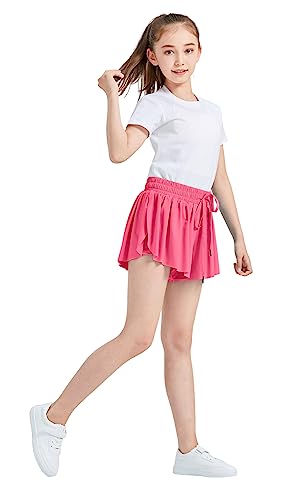
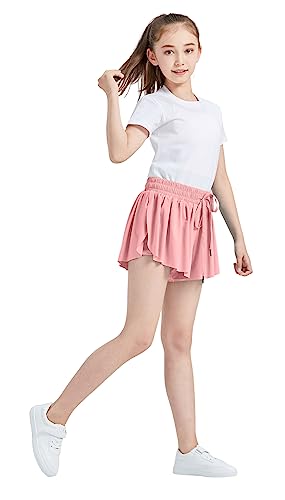
Prioritize Moisture Management and Fabric Technology
The most fundamental difference between everyday cotton clothing and running-specific gear is moisture management. Cotton absorbs sweat and becomes heavy, cold, and abrasive, which can lead to skin irritation and a loss of body temperature regulation. When shopping for girls' running clothes, look for synthetic blends—specifically polyester, nylon, or specialized elastane mixes. These fabrics are designed to 'wick' moisture away from the skin to the outer surface of the garment, where it can evaporate quickly. This keeps the runner dry and lightweight, even during high-intensity sprints or long-distance endurance runs.
Focus on Seam Construction and Chafing Prevention
One of the biggest complaints among young runners is skin irritation caused by seams. Because running involves repetitive, high-frequency motion, even a small seam can act like sandpaper against sensitive skin. Look for garments that feature 'flatlock stitching.' This technique lays the thread flat against the fabric, minimizing the protrusion of the seam. Additionally, pay attention to the placement of tags. Many high-end running brands now use heat-transfer labels instead of physical fabric tags to eliminate this common source of discomfort. For leggings and shorts, ensure the waistband is designed to stay in place without digging into the abdomen, which can disrupt breathing patterns.
Consider Fit, Compression, and Support
The fit of running clothing for girls must strike a balance between freedom of movement and security. For tops, a streamlined fit is generally preferable to oversized shirts, which can flap in the wind and create aerodynamic drag or become a distraction. For bottoms, many young runners benefit from compression-style leggings or fitted shorts. Compression helps stabilize muscles and can reduce fatigue, but it must be sized correctly to avoid restricting circulation. If the clothing is too tight, it will be uncomfortable. If it is too loose, it will bunch up and cause friction. Always check for a four-way stretch capability, which ensures the fabric expands and recovers in all directions, accommodating the dynamic movements of running.
Layering for Variable Environments
Running is often a seasonal activity, meaning a complete wardrobe requires strategic layering. A single heavy sweatshirt is rarely as effective as multiple thin, technical layers. For colder weather, look for base layers that are tight-fitting and moisture-wicking, followed by an insulating mid-layer, and a wind-resistant outer shell. For summer running, focus on highly breathable mesh panels in high-heat zones like the underarms or back. The goal is to create a system that allows the athlete to regulate her temperature easily as her body heat rises during the workout.
Safety and Visibility Features
If the runner frequently engages in early morning or evening training, visibility is a non-negotiable safety factor. Look for apparel that incorporates reflective elements—such as strips on the calves, logos on the chest, or patterns integrated into the fabric. These reflective details ensure that the runner is visible to motorists and others in low-light conditions. High-visibility colors (neon yellows, bright pinks, or oranges) also serve as an excellent secondary safety measure.