Prioritizing Fabric Technology and Moisture Management
The most important factor in soccer clothing is the material composition. Soccer is a high-intensity aerobic sport that generates significant body heat and perspiration. You should look for advanced moisture-wicking synthetic blends, typically involving polyester and elastane (spandex). These fabrics are engineered to pull sweat away from the skin to the outer layer of the garment, where it can evaporate quickly. This prevents the 'heavy' feeling of waterlogged jerseys and helps regulate core temperature. Avoid heavy cotton blends for active play, as cotton absorbs moisture and stays wet, which can lead to chafing and a loss of thermal regulation during cooler weather matches.
Focusing on Ergonomic Fit and Range of Motion
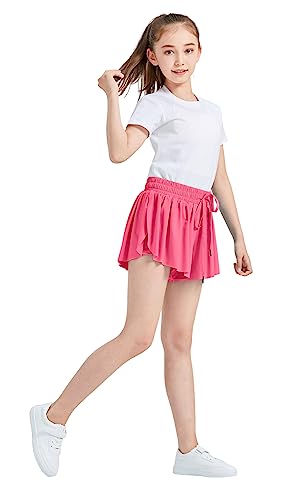
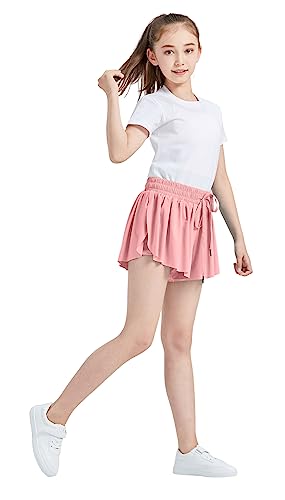
Girls' soccer clothing is distinct from unisex or boys' sizing due to the specific anatomical requirements of a female silhouette. When selecting jerseys, training tops, or compression gear, look for 'athletic cuts' that provide a streamlined fit without being restrictive. A garment that is too baggy will catch the wind and potentially interfere with ball control, while a fit that is too tight can impede circulation or cause discomfort during lunging and sprinting. For leggings and training shorts, ensure the waistband is secure enough to stay in place during high-velocity movements but flexible enough to allow for full hip mobility. High-quality compression gear can also assist in muscle support and recovery, but it must be sized accurately to avoid restricting breathing.
Durability and Resistance to Turf Abrasion
Soccer is a contact sport played on varied surfaces, from natural grass to abrasive artificial turf. Clothing, particularly shorts and leggings, must be built to withstand sliding tackles and frequent washing. Look for reinforced stitching at the seams and high-density knit patterns that resist tearing. If your athlete frequently plays on artificial turf, prioritize fabrics with a smoother outer finish to minimize 'turf burn' during slides. Durability also extends to colorfastness. Because soccer kits are washed frequently after every match, you want fabrics that maintain their vibrancy and shape through dozens of laundry cycles.
Layering for Variable Weather Conditions
A complete soccer wardrobe must account for the changing seasons. A smart shopping strategy involves building a layering system. This includes lightweight, breathable base layers for summer heat, mid-weight training jackets for autumn, and thermal compression leggings or windbreakers for winter training. When selecting layers, ensure they are compatible in terms of thickness. A heavy fleece under a tight jersey will feel bulky and hinder movement. The goal is to create a system where the athlete can easily add or remove pieces to maintain an optimal microclimate around their body.
Style, Identity, and Psychological Comfort
While performance is paramount, we cannot overlook the psychological aspect of sports apparel. For many young athletes, feeling 'game-ready' is a significant mental boost. Selecting clothing that aligns with their personal style—whether that means bold patterns, specific color palettes, or a sleek professional look—can increase their confidence on the field. When shopping, look for brands that offer cohesive collections so that training gear and match kits feel like a unified part of their athletic identity.