Prioritize Fabric Technology and Moisture Management
In tennis, perspiration is inevitable. For a 2XS size, where the fabric covers less surface area but is often used by highly active children, moisture-wicking properties are non-negotiable. Look for synthetic blends—typically polyester and spandex—rather than 100% cotton. Cotton absorbs sweat and becomes heavy and abrasive, which can cause chafing during long rallies. High-quality tennis shorts will feature 'dry-fit' or moisture-wicking technology that pulls sweat away from the skin to the surface of the fabric where it can evaporate quickly. This keeps the athlete cool and prevents the shorts from feeling heavy or clingy during movement.
Evaluate the Waistband and Fit Security
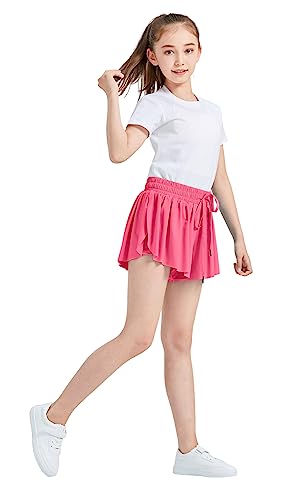
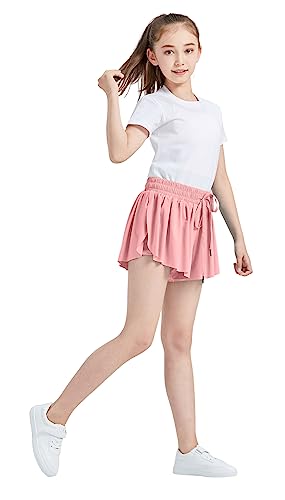
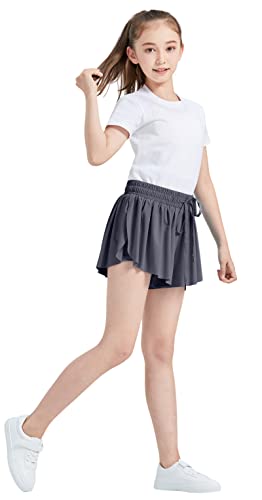
One of the most common complaints with junior athletic wear is the waistband sliding down during lateral movements. Since 2XS sizing is designed for very petite builds, the waistband must offer a secure, snug fit without being constrictive. Look for wide, elasticized waistbands that distribute pressure evenly around the waist. Some premium options include internal drawstrings, which allow for a customizable fit—a lifesaver if the child is between sizes or if the shorts need to be tightened after several washes. Ensure the rise (the distance from the crotch to the waistband) is appropriate for a child's anatomy to prevent the shorts from riding up during deep lunges or serves.
Check for Integrated Ball Storage
A defining characteristic of true tennis shorts is the inclusion of a dedicated ball pocket. Unlike standard running shorts, tennis shorts are engineered to hold the weight of a tennis ball securely against the thigh. When inspecting 2XS options, check the placement and depth of these pockets. A well-designed pocket should be located on the side of the leg and be tight enough to prevent the ball from bouncing out during sprints, yet easy enough for a child to reach into quickly during a changeover. If the shorts lack these pockets, the player will have to rely on carrying balls by hand or using a separate pouch, which can disrupt their rhythm on the court.
Consider Range of Motion and Inseam Length
Tennis is a sport defined by explosive, multi-directional movement. The inseam length of 2XS shorts is a critical decision factor. A shorter inseam offers maximum freedom of movement and ventilation, which is excellent for hot summer matches, but it may feel too revealing for some players. A slightly longer inseam provides more coverage and can feel more secure during wide lateral stretches. Regardless of length, ensure the leg openings are cut to allow for a full range of motion in the hips. If the fabric feels tight across the glutes or thighs when the child mimics a squatting motion, the shorts will likely impede their performance on the court.
Durability and Maintenance
Junior athletes can be tough on their gear. Look for reinforced stitching, particularly in the crotch and side seams, to prevent tearing during intense play. Because these shorts will likely be washed frequently to remove sweat and clay/court stains, ensure the fabric is colorfast and resistant to pilling. High-quality performance fabrics should maintain their shape and elasticity even after multiple cycles through the laundry, ensuring the 2XS fit remains consistent throughout the entire tennis season.