Fabric Technology and Moisture Management
The most critical factor in a tennis skort is the fabric composition. Because tennis is a high-output sport, girls will sweat significantly. Look for technical synthetic blends—typically a mix of polyester and spandex (elastane). Avoid heavy cotton blends, as they absorb moisture, become heavy, and can cause chafing. High-quality skorts feature moisture-wicking technology designed to pull sweat away from the skin to the surface of the fabric where it can evaporate quickly. Additionally, consider the 'breathability' of the weave. A micro-mesh or lightweight knit will provide better airflow, keeping the player cool during intense rallies.
The Functionality of the Built-in Liner
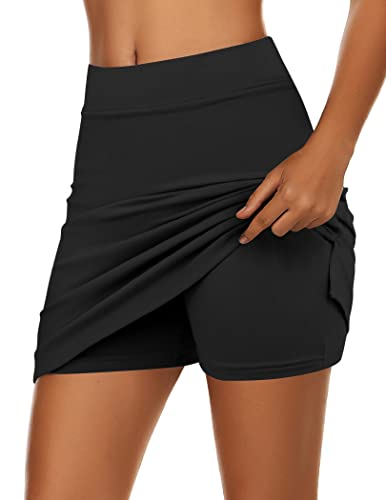
The defining feature of a skort is the integrated undershort. When evaluating a skort, inspect the liner closely. The shorts should fit snugly against the skin to prevent riding up during running or lunging. A common mistake is choosing a skort where the liner is too loose, which defeats the purpose of the garment. Furthermore, check for 'squat-proof' opacity. Even when stretching for a low volley, the fabric should remain opaque and provide full coverage. Some premium models also include a small dedicated pocket within the liner, which is incredibly useful for carrying a spare tennis ball during practice sessions.
Waistband Construction and Fit
A tennis player's movement is incredibly varied, involving twisting, jumping, and sprinting. A waistband that slips down or digs in can ruin a player's focus. For younger girls, a wide, elasticized waistband is generally preferred as it distributes pressure more evenly and stays secure without being overly restrictive. Look for 'stay-put' technology or flat-lock seams in the waistband area to prevent skin irritation. If the child is between sizes, it is often better to size up slightly to ensure the waistband doesn't pinch during deep lunges, as a comfortable fit is paramount for performance.
Mobility and Range of Motion
Tennis requires extreme lateral agility. The cut of the skirt should allow for a full range of motion without feeling restrictive. A flared or A-line cut is often better for movement than a tight, pencil-style skirt. Pay attention to the seam placement. Seams that run along the natural lines of the leg help prevent friction. If the skort feels tight across the hips when the player performs a simulated side-step, it will likely be a distraction during an actual match. The goal is a garment that feels like a second skin, moving in perfect synchronization with the athlete's body.
Durability and Maintenance
Tennis gear undergoes significant stress from frequent washing and intense physical activity. Look for reinforced stitching, particularly where the skirt meets the liner. High-quality elastane ensures that the skort retains its shape and 'snap-back' ability even after dozens of wash cycles. Since these garments are often worn in dusty or outdoor environments, choose fabrics that are resistant to pilling and maintain their color vibrancy despite sun exposure and frequent laundering.