Prioritizing Fabric Composition and Moisture Management
The most critical factor in selecting workout shorts is the textile blend. For girls who sweat heavily during sports, look for moisture-wicking synthetic blends, typically involving nylon or polyester mixed with spandex. These materials are engineered to pull sweat away from the skin to the surface of the fabric where it can evaporate quickly. This prevents the 'heavy' feeling of wet clothes and helps regulate body temperature. Avoid high-cotton content for intense training, as cotton absorbs moisture and stays damp, which can lead to chafing and discomfort during long practice sessions.
Understanding Inseam Length and Coverage
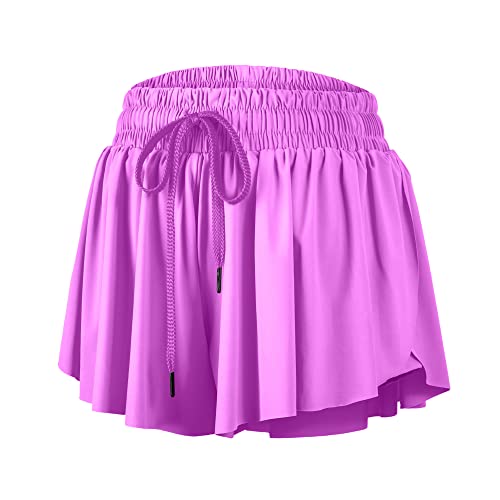
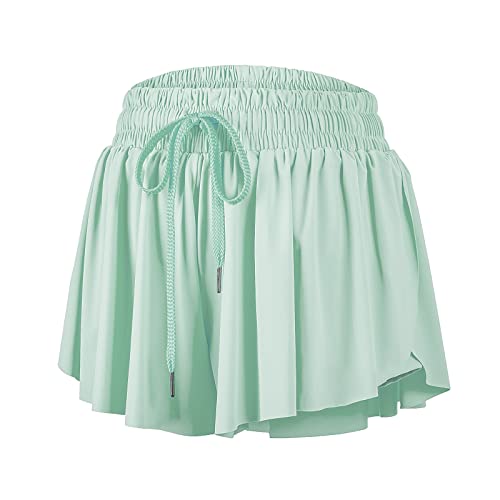
The 'best' length depends entirely on the specific sport being played. For activities requiring maximum agility and leg extension—such as sprinting or gymnastics—shorter inseams or compression-style shorts are often preferred to prevent fabric interference. However, for contact sports or activities where modesty and protection are concerns, a longer inseam (3 to 5 inches) provides better coverage and helps prevent thigh chafing. When deciding, consider whether the shorts will be worn as a standalone piece or layered under a uniform. A tight, compressive fit is ideal for layering, while a looser, flowy fit works better for casual warm-ups.
Waistband Construction and Stay-Put Technology
There is nothing more distracting during a game than shorts that constantly slip down or roll over. Look for wide, elasticized waistbands that are designed to sit flat against the abdomen. A high-rise waistband is often superior for active girls because it provides a secure fit that stays in place during jumps, stretches, and rapid directional changes. Check for 'stay-put' features like internal drawstrings or flatlock stitching, which ensure the waistband doesn't dig into the skin or create uncomfortable pressure points during heavy breathing or core engagement.
Durability and Seam Integrity
Because girls' athletic gear undergoes frequent washing and high-stress movement, seam construction is vital. Seek out shorts with flatlock seams. Unlike traditional raised seams, flatlock stitching lies flat against the skin, significantly reducing the risk of chafing and irritation. Furthermore, ensure the fabric has a high degree of 'four-way stretch.' This means the material expands both crosswise and lengthwise, allowing the athlete to move through a full range of motion without the fabric feeling restrictive or risking a tear at the seams.
Decision Logic: How to Choose
To make the final selection, follow this logic: First, identify the primary activity. If it is high-impact/contact, prioritize longer inseams and thicker, durable fabrics. If it is low-impact/dance, prioritize lightweight, high-stretch materials. Second, check the care instructions. Ensure the fabric can withstand frequent machine washing without losing its elasticity. Finally, prioritize comfort over aesthetics—a pair of shorts that looks great but causes skin irritation will ultimately be left in the drawer, whereas high-performance gear will become a staple in their athletic rotation.