Understanding Your Repair Needs
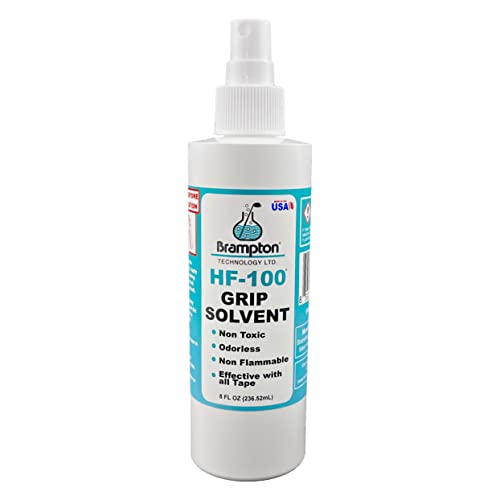
Before investing in a kit, you must diagnose the specific issue your clubs are facing. Grip repair is not a one-size-fits-all process. Are you dealing with surface oxidation where the rubber feels 'slick' or 'chalky'? Or are you facing structural degradation, such as small cracks or loose ends where the grip meets the shaft? Brampton Technology, Ltd. kits are often categorized by the type of restoration they provide. A kit designed for surface rejuvenation focuses on chemical cleaning and tackiness restoration, whereas a structural repair kit may include adhesives or specialized compounds intended to stabilize the grip's bond to the shaft. Identifying whether your issue is aesthetic, tactile, or structural is the first step in selecting the appropriate kit.
Key Decision Factors: Chemical Composition and Application
When evaluating these kits, pay close attention to the chemical agents included. High-quality repair kits utilize specialized solvents that lift oils and grime without stripping the essential plasticizers from the rubber. If a solvent is too aggressive, it may actually accelerate the drying and cracking process you are trying to prevent. Look for kits that offer a balanced approach—cleaning the surface while simultaneously conditioning the material. Furthermore, consider the application method. Some kits are designed for a quick 'wipe-down' approach, which is excellent for routine maintenance, while more advanced kits provide the precision tools necessary for deep-cleaning grooves and repairing localized wear spots.
A common mistake is purchasing a kit that provides the cleaning agent but lacks the necessary secondary tools. A comprehensive repair kit should ideally include more than just a liquid solution. Look for kits that feature lint-free applicators, precision brushes for cleaning between grip textures, and perhaps even protective cloths. The quality of the applicator is paramount. Using a standard rag can often smear debris back into the grip pores rather than lifting it out. A professional-grade kit will provide tools that allow for a surgical level of cleanliness, ensuring that the restored grip feels uniform across the entire circumference of the club.
Longevity and Maintenance Frequency
When choosing your kit, consider your environment. If you play in humid, coastal conditions or frequently play in the rain, you will require a kit with stronger conditioning properties to combat the rapid oxidation caused by moisture. For the golfer who plays primarily in dry, temperate climates, a lighter maintenance kit may suffice. Think of your purchase as a long-term maintenance strategy rather than a one-time fix. Investing in a kit that offers both cleaning and long-term conditioning will extend the lifespan of your grips, saving you significant money on full grip replacements over the course of several seasons.
Final Recommendation Logic
To make the final decision, follow this logic: If your grips are simply feeling slippery due to sweat and oils, prioritize a kit with high-quality degreasers and conditioning agents. If your grips are showing signs of aging and minor surface wear, look for a kit that emphasizes deep-cleaning brushes and rubber conditioners. Avoid kits that rely on heavy abrasives, as these will prematurely age your equipment. By selecting a kit based on the specific state of your rubber, you ensure a professional finish that preserves your club's feel and your game's precision.