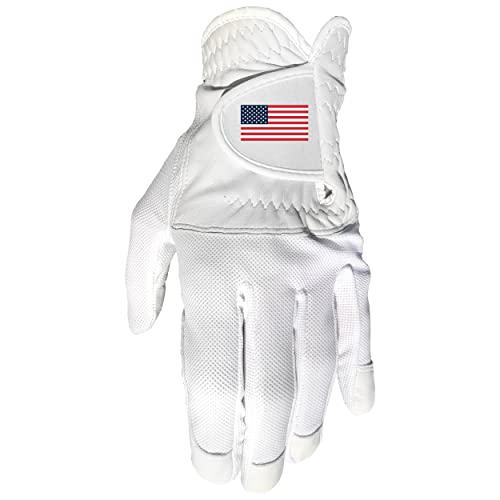
Material Composition: Leather vs. Synthetic
The single most important decision you will make is choosing between natural leather and synthetic materials. Natural leather gloves, typically made from Cabretta sheepskin, offer the gold standard in 'feel.' Because leather is porous and conforms to the shape of your hand over time, it provides a second-skin sensation that allows you to sense the clubhead position through the grip. However, leather is highly sensitive to moisture. Sweat or rain can cause it to stiffen once dry.
Synthetic gloves are the workhorses of the category. Engineered from polyester blends or specialized polymers, these gloves are much more durable and moisture-resistant. If you tend to have sweaty hands or play in humid environments, a synthetic glove will maintain its structural integrity longer than leather. While they may lack that ultra-soft tactile connection, modern synthetic technology has closed the gap significantly, offering excellent friction and longevity.
Fit and Construction Nuances
A golf glove that is too loose will cause the club to twist during the transition of your swing, while a glove that is too tight will restrict your finger mobility and cause hand fatigue. When evaluating generic options, pay close attention to the seam placement. Seamless or low-seam designs are preferable because they reduce friction points that can lead to blisters.
Look for gloves with reinforced stitching in high-stress areas, such as the palm and the base of the thumb. Additionally, consider the closure system. While most use a standard Velcro tab, the quality of the hook-and-loop material matters. A cheap closure will lose its grip after a few dozen uses, leading to a loose fit mid-round. A high-quality generic glove should feature a sturdy, wide closure that allows for micro-adjustments throughout your session.
Weather Adaptability and Grip Patterns
Your playing environment should dictate your glove choice. For dry, hot conditions, a thin, lightweight leather glove is ideal for breathability. For damp or overcast days, look for 'all-weather' synthetic gloves. These are specifically designed with textured patterns on the palm to channel moisture away from the grip, ensuring the club doesn't slip even when the surface is slick.
Some generic gloves also offer varying thicknesses. A thinner glove provides maximum sensitivity for touch-based players (like those working on short game), whereas a slightly thicker, more padded glove can provide extra comfort for players with sensitive hands or those who play long rounds in high heat.
The Value Proposition: When to Buy Bulk
The primary advantage of opting for generic gloves is the ability to buy in volume. Because gloves are consumable items that degrade with use, purchasing multi-packs is the most efficient way to manage your golf expenses. When reviewing generic options, look for consistency across the pack. If you find a brand that offers a consistent fit and material quality, buying a 10-pack or 12-pack can reduce your cost-per-round significantly compared to buying individual premium units.