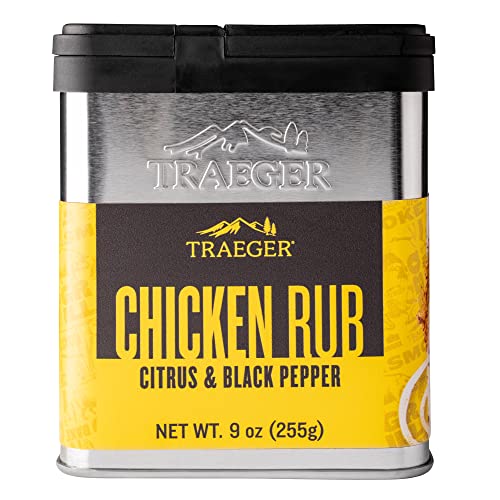
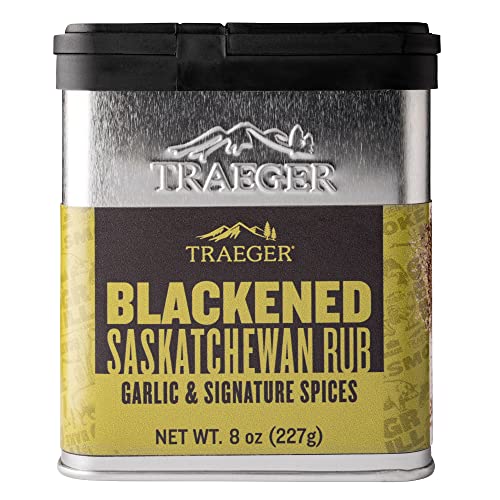
Understanding Flavor Profiles and Smoke Interaction
The first step in selecting a gourmet rub is determining the intended flavor direction. Gourmet rubs generally fall into three categories: sweet, savory, or spicy. Sweet rubs often feature brown sugar or coconut sugar, which are excellent for pork ribs or pulled pork. The sugar caramelizes under the steady heat of a pellet grill, contributing to a dark, tacky bark. Savory rubs lean heavily into garlic, onion, and umami-rich components like mushroom powder or nutritional yeast, making them ideal for beef briskets where you want to enhance the natural meatiness without overpowering it. Spicy rubs utilize cayenne, chipotle, or habanero. When using these, consider how the heat will intensify during a long smoke session.
The Role of Sugar and Salt Content
A common mistake among novice pitmasters is choosing a rub that is unbalanced in its salt-to-sugar ratio. For long cooks, such as a 12-hour brisket, a rub with excessive salt can lead to over-curing the exterior, making the meat unpleasantly salty. Conversely, a rub with too much sugar can burn if your pellet grill's temperature fluctuates or if you are cooking at higher temperatures for poultry. Look for gourmet options that list high-quality, non-refined sugars and sea salts. A well-balanced rub should provide enough salt to penetrate the meat fibers while providing just enough sugar to assist in the Maillard reaction without turning bitter.
Texture and Bark Development
The 'bark' is the seasoned outer layer of meat that enthusiasts crave. The texture of your rub plays a massive role in this. Fine-grain rubs tend to penetrate deeper into the meat, providing a more uniform seasoning, whereas coarse-grain rubs—containing larger flakes of pepper, salt, or dried herbs—create a rugged, textured crust. If you are looking to achieve that classic, craggy barbecue look, opt for a rub with varied particle sizes. Furthermore, check for the presence of 'binders' or ingredients that help the rub adhere. While many people use mustard or oil as a binder, some gourmet rubs are formulated with specific ingredients to ensure they stick to the meat during the high-airflow environment of a pellet grill.
Ingredient Transparency and Quality
Gourmet rubs are distinguished from grocery-store seasonings by the quality of their spices. Avoid rubs that list 'spices' as a vague catch-all or those that rely heavily on anti-caking agents and artificial colors. Instead, look for rubs that highlight specific origins, such as smoked paprika from Spain or Tellicherry peppercorns. High-quality rubs will also avoid excessive fillers like cornstarch or flour, which can add unnecessary bulk and dilute the actual flavor intensity. When reading the label, the shorter the ingredient list, the better the quality typically is, as it indicates the flavors are coming from real spices rather than chemical enhancers.
Recommendation Logic: Matching Rub to Meat
To maximize your success, match your rub to your protein's fat content and cooking time. For fatty cuts like pork belly or beef short ribs, you can afford a bolder, spicier rub because the fat will help carry and mellow the heat. For leaner meats like chicken or turkey, opt for a rub with a higher emphasis on herbs and subtle sweetness to prevent the meat from tasting dry or overly aggressive. If you are a beginner, start with a 'universal' BBQ rub that balances sweet, salty, and savory. As you become more comfortable with your grill's temperature control, move toward specialized, single-note spice blends.