Material Composition and Durability
The most critical factor in selecting a cover is the fabric density and coating. For heavy-duty grills, look for heavy-gauge polyester or vinyl-coated fabrics. A high denier rating (the measurement of fabric thickness) is essential. Anything below 600D may tear easily under wind stress or degrade quickly under direct sunlight. The material should ideally feature a waterproof coating that prevents moisture from seeping through the weave, which is vital for preventing rust on the internal components of your grill. Furthermore, ensure the material is UV-resistant to prevent the fabric from becoming brittle and cracking after a single summer season.
Fitment and Aerodynamics
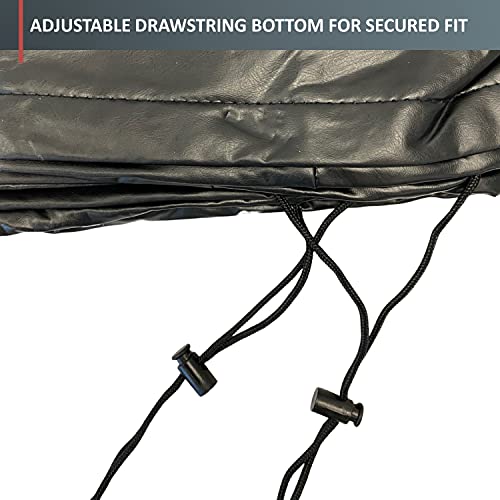
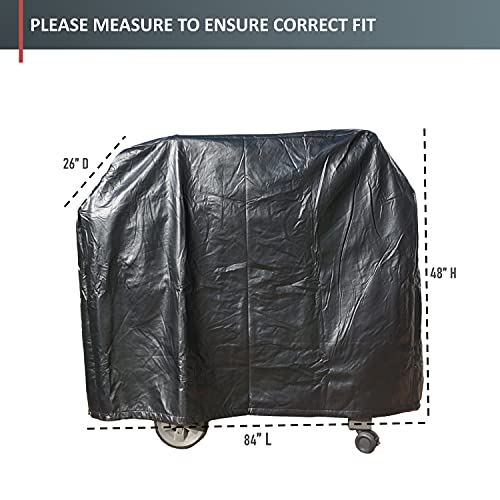
A loose-fitting cover is a liability. If a cover flaps excessively in the wind, it creates friction that can wear down the fabric and may even allow rain to be blown underneath the edges. The best covers feature integrated fastening systems, such as heavy-duty Velcro straps, elasticized hems, or drawstring toggles. These allow you to cinch the cover tightly around the base of the unit. When measuring your grill, always include an extra inch or two of clearance to account for the lid being closed, but avoid a cover so large that it creates a 'tented' effect, which can trap condensation against the grill surface.
Ventilation and Moisture Management
One of the most common mistakes in grill protection is selecting a cover that is completely airtight. While it seems intuitive to seal everything off, trapping moisture underneath a cover can lead to mold growth and accelerated oxidation of the metal surfaces. Look for covers that incorporate built-in air vents. These vents allow for subtle airflow that prevents condensation buildup while still keeping rain and debris out. This balance is crucial for maintaining the longevity of the electronic ignition components often found in modern high-end grills.
Protection for Control Interfaces
High-end grills often feature complex control knobs, digital thermometers, and heavy-duty handles. A premium cover will have specific design considerations for these elements. Look for reinforced sections around the control panel area to prevent the fabric from stretching or tearing due to the protrusion of the knobs. Additionally, a cover with a dedicated handle cutout or a reinforced top section will provide better structural integrity and make it easier to remove the cover during cooking sessions.
Summary Recommendation Logic
When making your final decision, follow this hierarchy: First, prioritize material weight (denier) to ensure longevity. Second, verify the fastening mechanism to ensure a snug, wind-resistant fit. Third, confirm the presence of ventilation to prevent moisture traps. If you live in a coastal area with high salt content, prioritize specialized chemical-resistant coatings. If you live in an arid climate, prioritize high UV-rated fabrics.