Material Composition and Weather Resistance
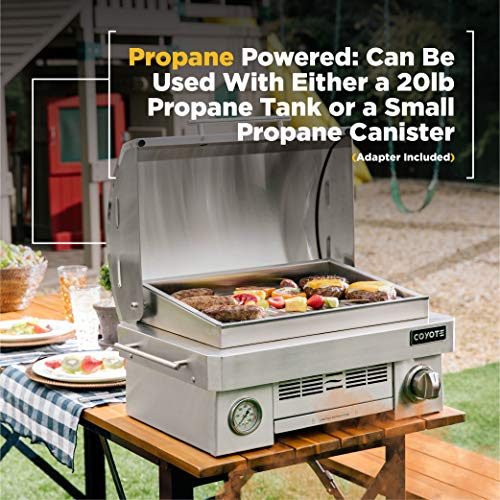
The primary differentiator in premium outdoor grilling is the grade of stainless steel used in construction. Because these units live in open-air environments, they are subject to humidity, salt air (if coastal), and extreme temperature fluctuations. Look for high-quality, heavy-gauge stainless steel that resists pitting and corrosion. A superior grill will feature a thick hood that retains heat efficiently and prevents warping over years of high-temperature use. When evaluating a model, inspect the thickness of the grates. Heavy-duty cast iron or thick stainless steel rods are essential for creating those professional sear marks and maintaining consistent thermal mass.
Burner Technology and Heat Consistency
A great grill is defined by its ability to manage temperature zones. High-end outdoor living grills often utilize advanced burner systems designed to eliminate 'hot spots'—those frustrating areas where food burns while other parts remain raw. Look for models that offer multiple burner configurations, allowing you to create distinct heat zones: a high-heat zone for searing steaks and a low-heat zone for delicate vegetables or indirect roasting. The precision of the control valves is also critical. You want smooth, responsive adjustments that allow for granular temperature control rather than a simple 'on or off' sensation.
Integration and Built-in vs. Freestanding
One of the most important decisions in the Coyote ecosystem is whether you are looking for a freestanding cart or a built-in unit designed for an outdoor kitchen island. Built-in grills require specific considerations for ventilation and heat shielding. If you are designing a custom outdoor kitchen, ensure the grill is rated for enclosure. Built-in models are designed to integrate seamlessly with other outdoor appliances like side burners, warming drawers, and refrigerators, creating a cohesive aesthetic. A freestanding model offers more flexibility for patio layouts but lacks the permanent, high-end architectural feel of a custom-built outdoor kitchen.
Functional Features and Culinary Versatility
Beyond the heat, consider the specialized features that elevate the cooking process. Some models offer integrated rotisserie kits, which are game-changers for slow-cooking poultry or large cuts of meat with even heat distribution. Others may include specialized sear stations or high-output burners specifically for wok cooking or rapid boiling. Additionally, consider the ease of cleaning. High-end grills should feature removable grease management systems and easy-to-clean surfaces that don't require intensive scrubbing after every use. The goal is to spend more time entertaining and less time maintaining the equipment.
The Logic of the Investment
When deciding on a specific model, use a tiered approach to your decision-making. First, define your space: is this a standalone feature or part of a larger kitchen? Second, define your cooking style: do you prioritize high-heat searing or long, slow roasting? Finally, evaluate the build quality: does the weight and material density of the unit suggest it will remain a centerpiece of your home for a decade, or is it a lightweight consumer-grade appliance? A premium grill is a long-term lifestyle investment, and the initial cost is justified by the durability of the components and the precision of the culinary results.