Material Composition and Texture
The most critical decision in selecting a grip is the material. Most options fall into three categories: rubber, silicone, and foam. Rubber grips are the industry standard for durability and high-friction performance. They are excellent for high-moisture environments because they maintain a 'tacky' feel even when wet. Silicone, on the other hand, offers a softer, more premium tactile sensation and is often preferred for lightweight applications where comfort is prioritized over extreme ruggedness. Foam grips are the go-to choice for vibration dampening. If you are using a tool or a vehicle that produces significant high-frequency oscillation, a dense EVA or polyurethane foam will absorb those micro-vibrations before they reach your hands, preventing numbness during extended use.
Diameter and Ergonomic Profile
A grip that is too thin will cause hand cramping due to excessive gripping force, while a grip that is too thick can lead to hand fatigue as your muscles struggle to wrap around the circumference. When shopping, consider your hand size relative to the intended use. For precision tasks, such as gaming or fine tool work, a slimmer profile allows for better dexterity and micro-adjustments. For heavy-duty tasks, such as cycling or power tool operation, a larger, contoured diameter provides a more stable platform and distributes pressure more evenly across the palm. Look for 'anatomical' or 'ergonomic' shaping, which means the grip is not a perfect cylinder but features subtle ridges or swells to fit the natural contours of the hand.
Environmental Resilience and Longevity
You must match the grip to its operating environment. If the grip will be exposed to constant sunlight, look for UV-stabilized materials. Cheap rubber compounds tend to oxidize, becoming brittle and cracking over time when exposed to UV rays. If the application involves contact with oils, sweat, or cleaning chemicals, ensure the material is chemically resistant. For example, some soft foams act like sponges, absorbing sweat and oils which can lead to degradation and unpleasant odors. In these cases, a closed-cell foam or a treated rubber is a much smarter investment for long-term hygiene and structural integrity.
Installation Method and Fitment
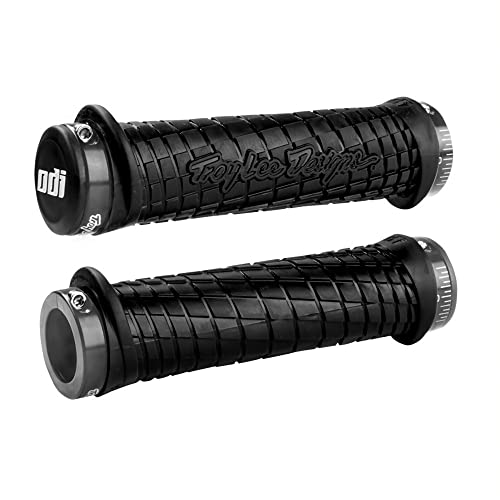
Generic grips come in various mounting styles. Some are designed to be 'slip-on,' requiring a bit of soapy water or compressed air to slide onto a smooth shaft. Others feature locking mechanisms, such as internal rings or threaded ends, to ensure they do not rotate during use. If you are replacing an existing grip, you must verify the inner diameter with precision. Even a millimeter of difference can result in a grip that is either dangerously loose or impossible to install without damaging the underlying hardware. Always prioritize a snug, non-slip fit to ensure that the grip moves in perfect unison with the device it covers.