Understanding Roast Profiles
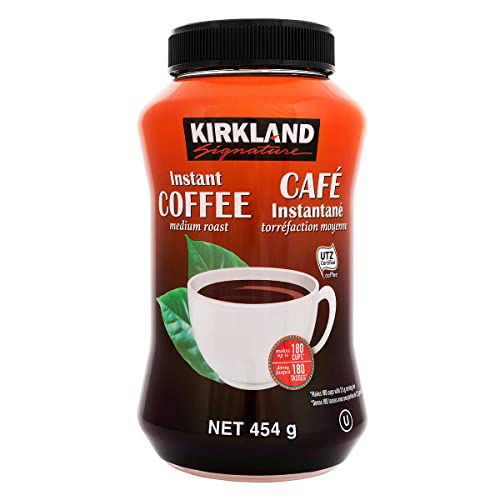
The roast level is the single most important factor in determining how your coffee will taste. When shopping for ground coffee, you will generally encounter three main profiles. Light roasts are more acidic and tea-like, often preserving the natural fruity or floral notes of the bean, though they can sometimes taste 'sour' if your brewing method isn't precise. Medium roasts are the most popular choice for generic blends. They offer a balanced body with notes of chocolate or toasted nuts and provide a smooth transition from acidity to bitterness. Dark roasts are bold, smoky, and heavy-bodied. If you prefer a coffee that can stand up to heavy cream or if you enjoy a traditional 'burnt' caramel flavor, dark roast is your best bet. For most daily drinkers, a medium-dark roast provides the most consistent satisfaction.
Origin and Blend Composition
Most generic ground coffees are 'blends' rather than single-origin products. This is actually a benefit for the budget-conscious shopper. Blends are designed to create a consistent flavor profile regardless of seasonal changes in crop yields. When reading labels, look for terms like 'Latin American Blend' or 'Breakfast Blend.' Latin American beans typically offer a nutty, cocoa-heavy profile, while blends that incorporate Southeast Asian beans might have a more earthy, spicy undertone. If you want a predictable cup every single morning, stick to a well-known blend rather than trying to hunt for specific regional origins in the generic aisle.
Grind Consistency and Freshness
Since you are purchasing pre-ground coffee, you lose the ability to grind on demand, which means freshness is your primary concern. Look for packaging that is airtight—foil-lined bags with resealable zippers are significantly better than thin plastic canisters. The 'roast date' is the gold standard for freshness. If a brand provides it, always choose the one with the most recent date. If no roast date is available, check the 'best by' date. While ground coffee loses its aromatic oils faster than whole beans, a high-quality generic brand will still offer a robust scent immediately upon opening the bag.
Matching Coffee to Your Brewer
Your choice of ground coffee should be informed by how you brew it. If you use a standard drip coffee maker, a medium grind is standard and will yield a clean cup. If you are a fan of the French Press, you might find that some generic 'medium' grinds are a bit too fine, leading to a muddy texture. Conversely, if you use an espresso machine or a Moka pot, you need a finer grind to create the necessary pressure. Most generic brands label their bags for 'Drip' or 'Universal' use, which is the safest bet for the majority of household machines.
The Value Proposition
The goal of buying generic is to maximize the ratio of flavor to cost. Avoid buying massive, bulk-sized containers if you don't consume coffee quickly, as the grounds will go stale before you reach the bottom. Instead, look for mid-sized bags that can be consumed within two to three weeks of opening. This ensures you are getting the best value without sacrificing the quality of your morning cup.