Understanding Texture and Surface Friction
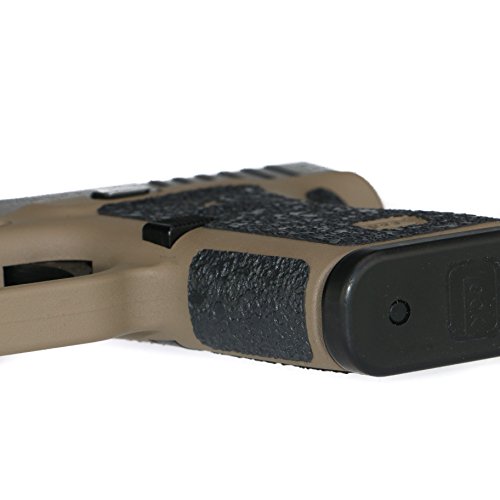
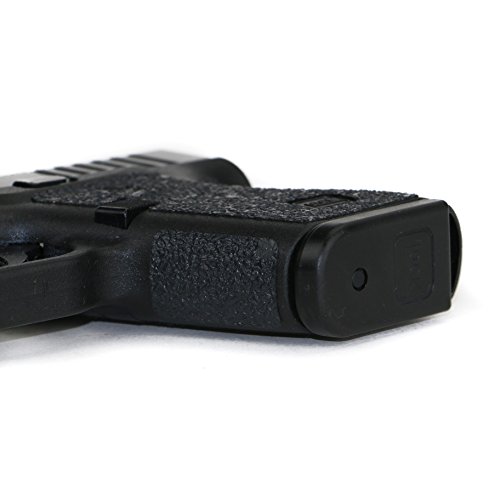
The primary reason most shooters upgrade their grips is to solve the problem of 'slippage.' Factory grips are often smooth to facilitate easy drawing from a holster, but this smoothness can become a liability during high-recoil sessions or when your hands are sweaty. When evaluating Foxx Holsters grips, look closely at the texture profile. Aggressive, stippled, or checkered patterns provide superior mechanical purchase, meaning your hand stays locked in place even when the firearm moves violently. However, there is a trade-off: overly aggressive textures can cause skin irritation during long training sessions or potentially snag on clothing during a draw. Aim for a balance—a texture that provides enough friction to prevent shifting but remains smooth enough for a fluid draw stroke.
Material Composition and Recoil Absorption
The material of the grip dictates how the firearm feels in your palm and how much vibration is transferred to your wrist. Some grips are designed to be ultra-slim, utilizing high-density polymers to maintain a compact profile for concealed carry. Others prioritize shock absorption, using rubberized or elastomeric materials to dampen the 'snap' of a handgun. If you find that your wrist fatigue is a major issue during range sessions, prioritize grips that feature a softer, more compliant material. If your priority is speed and a slim profile for deep concealment, opt for harder, more rigid materials that do not add unnecessary bulk to the frame.
Ergonomics and Hand Geometry
A grip is not a one-size-fits-all component. The geometry of the grip should complement your specific hand size and grip style (such as a thumbs-forward or thumbs-around grip). When selecting a grip, consider the 'beavertail' design—the part of the grip that sits against the web of your hand. A well-designed grip will fill the gap between your hand and the frame, preventing 'slide bite' and providing a more secure anchor point. Look for designs that allow for a consistent finger placement on the trigger. If a grip is too thick or shaped poorly, it can actually push your finger away from the trigger, negatively impacting your accuracy.
Compatibility and Installation Ease
Before committing to a specific grip, ensure that the design is perfectly compatible with your specific firearm frame. Even slight variations in frame dimensions can lead to a poor fit, which can cause the grip to shift under recoil. A shifting grip is dangerous, as it can change your point of aim unexpectedly. Additionally, consider the installation process. Some grips are designed as direct replacements for factory components, requiring the removal of existing parts, while others may be adhesive-backed overlays. For the most permanent and secure feel, direct-replacement grips are generally preferred by professional shooters, as they become an integral part of the firearm's structure.
Recommendation Logic
To make your final decision, follow this hierarchy of needs: First, define your primary use case. Is this for everyday concealed carry (prioritize slimness and smooth draw) or for home defense/range use (prioritize texture and recoil absorption)? Second, assess your hand size. If you have larger hands, avoid 'minimalist' grips that may feel like they are slipping out of your grasp. Third, evaluate the environment. If you frequently train in humid or outdoor conditions, prioritize high-friction, moisture-resistant textures. By aligning these three factors, you will find a grip that enhances your proficiency rather than hindering it.