Material Matters: Microfiber vs. Cotton
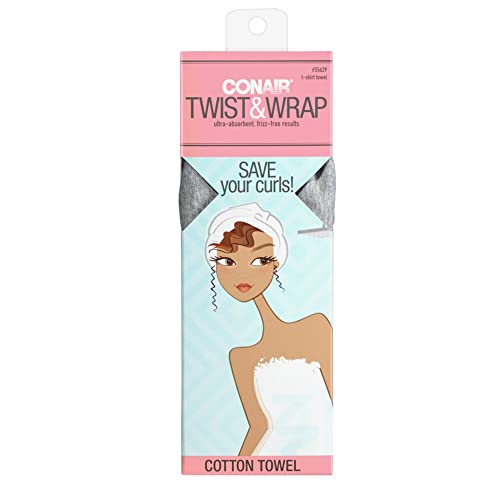
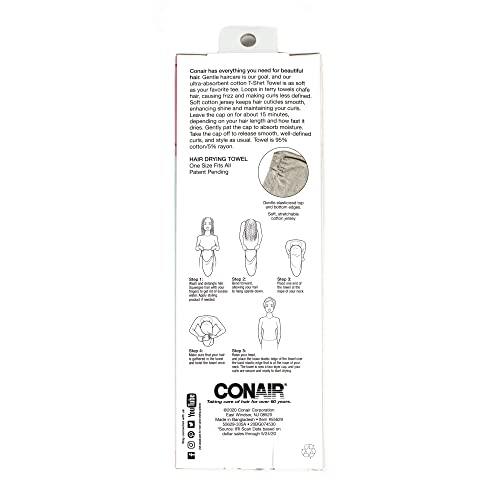
The most critical decision you will make is choosing the fabric. Most high-quality hair towels utilize microfiber, a synthetic fiber that is significantly thinner and more absorbent than natural cotton. Microfiber works through capillary action, pulling water away from the hair shaft and into the fibers without requiring you to rub the hair. This is essential for those with curly, wavy, or color-treated hair, as it minimizes the mechanical stress that causes split ends. While some people prefer organic cotton due to its softness, cotton tends to be heavier when wet and can actually hold onto moisture longer than microfiber, extending your drying time.
Weight and Absorbency Balance
When browsing options, look for the term 'GSM' (Grams per Square Meter) or descriptions of density. You want a towel that is dense enough to soak up a significant amount of water but light enough that it doesn't pull on your scalp or slip off your head. A towel that is too thick will feel cumbersome and may even cause neck strain if you are wearing it while getting ready. The ideal hair towel should feel almost weightless on your head while still providing a high rate of moisture uptake. If a towel feels overly plush like a bath mat, it is likely too heavy for effective hair drying.
Attachment Mechanisms and Design
A hair drying towel is only effective if it stays in place. There are three primary design styles to consider:
- Turban Style with Button/Loop: These feature an elasticated end or a specialized loop and button system. This is the gold standard for stability, allowing you to wrap the towel tightly around your head and secure it so you can move freely around your bathroom.
- Hooded Designs: These are shaped like a small cap. While they offer maximum coverage, they can sometimes feel too warm or bulky for those with shorter hair.
- Standard Wrap Style: These are essentially smaller, specialized microfiber cloths. They are versatile but require more manual effort to keep secure, often necessitating hair clips to prevent them from sliding off.
Hair Type Considerations
Your hair texture should dictate your choice of towel. If you have fine or straight hair, look for a very smooth, low-pile microfiber to prevent any snagging. For those with thick, coarse, or highly textured curls, look for towels with a slightly more textured weave that can handle the volume and provide deep absorption. Additionally, if you frequently use heat styling tools, ensure the towel is made of high-quality synthetic fibers that won't pill or degrade after repeated use in a humid environment.
Maintenance and Longevity
Finally, consider how easy the towel is to clean. Microfiber can sometimes lose its absorbency if washed with fabric softeners, which coat the fibers and prevent them from pulling in water. Look for towels that are machine washable and specifically labeled as being durable enough for frequent laundering. A good hair towel should maintain its 'thirsty' quality for dozens of washes without becoming scratchy or losing its shape.