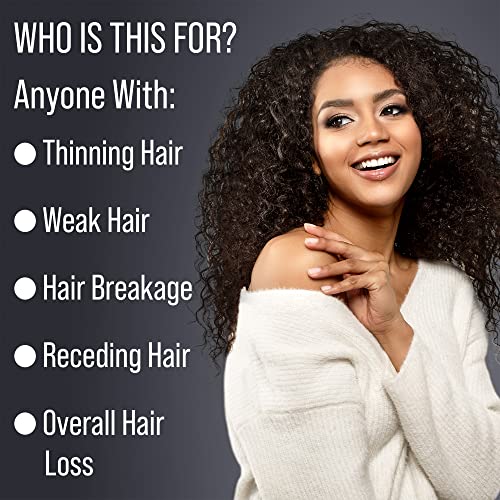
Identify Your Type of Hair Loss
The most critical step in selecting a treatment is understanding the root cause of your thinning. Hair loss is not a monolithic condition. If you are experiencing pattern baldness (androgenetic alopecia), you will likely need treatments that interfere with DHT (dihydrotestosterone), the hormone responsible for shrinking hair follicles. If your hair loss is caused by stress, nutritional deficiencies, or postpartum changes, your focus should shift toward scalp nourishment and internal supplementation. Using a DHT-blocking topical on hair loss caused by a zinc deficiency is a waste of resources. Conversely, using a general vitamin supplement won't stop hormonal thinning. Always attempt to identify whether your loss is localized (patches) or diffuse (thinning all over) before purchasing.
Understand Active Ingredients and Mechanisms
Effective treatments generally fall into three functional categories: stimulants, blockers, and nourishers. Stimulants, such as Minoxidil, work by increasing blood flow to the hair follicles and extending the growth phase (anagen) of the hair cycle. Blockers are designed to address the hormonal aspect of hair loss by inhibiting the enzymes that convert testosterone into DHT. Nourishers typically consist of vitamins (like Biotin, Saw Palmetto, or Iron) and peptides that strengthen the existing hair shaft and improve the environment of the scalp. When reading labels, look for high concentrations of these active ingredients rather than 'proprietary blends' that hide the actual dosage of the effective components.
Topical vs. Oral vs. Nutritional Approaches
Deciding on the delivery method is a major decision factor. Topical treatments (serums, foams, and oils) offer direct application to the scalp, which can minimize systemic side effects but require strict daily consistency to maintain results. Oral treatments (pills or capsules) are often more convenient and can address systemic issues like nutrient deficiencies, but they take longer to reflect in visible hair density. Many users find the best results through a 'stacking' approach—using a topical stimulant to wake up follicles while using an oral supplement to provide the building blocks for new growth. Consider your lifestyle: if you are prone to forgetting daily routines, a weekly intensive treatment might be more realistic than a twice-daily serum.
Consistency and Realistic Expectations
The biggest mistake consumers make in the hair loss category is premature abandonment. Hair grows in cycles, and most treatments require a minimum of three to six months of uninterrupted use before any visible changes occur. During the initial weeks of some treatments, you may even experience a 'dread shed,' where old, weak hairs fall out to make room for new, stronger ones. Do not mistake this for treatment failure. When evaluating a product, look for reviews that discuss long-term results (6+ months) rather than immediate 'miracle' claims. A product that promises instant regrowth is almost certainly providing a temporary cosmetic coating rather than a biological solution.
Scalp Health and Environment
Finally, do not ignore the canvas upon which your hair grows. A scalp that is inflamed, oily, or covered in buildup cannot effectively absorb topical treatments. Look for treatments that incorporate scalp-soothing ingredients like salicylic acid to exfoliate or caffeine to stimulate circulation. If you are using heavy oils or foams, ensure your hair care routine includes a clarifying step to prevent follicle clogging, which can exacerbate thinning.