Identify the Active Mechanism
The most critical step in choosing a regrowth treatment is determining how it intends to work. Most effective treatments fall into one of three functional categories: vasodilators, hormone blockers, or scalp stimulants. Vasodilators work by increasing blood flow to the hair follicles, ensuring that nutrients and oxygen reach the root more efficiently. Hormone blockers, often found in topical solutions, aim to mitigate the effects of dihydrotestosterone (DHT), the primary hormone responsible for miniaturizing hair follicles in androgenetic alopecia. Finally, scalp stimulants, often derived from botanical sources, focus on extending the anagen (growth) phase of the hair cycle. Before purchasing, check the ingredient list to see if the product is targeting blood flow, hormonal interference, or follicle stimulation.
Evaluate Ingredient Potency and Stability
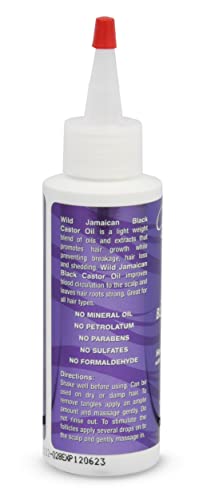
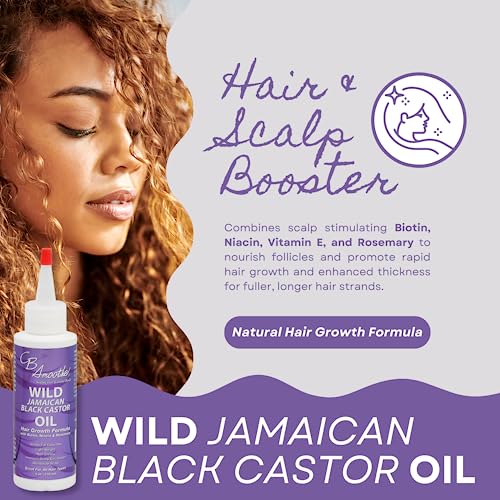
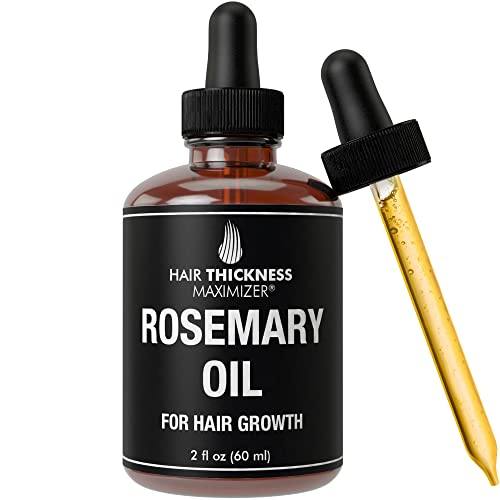
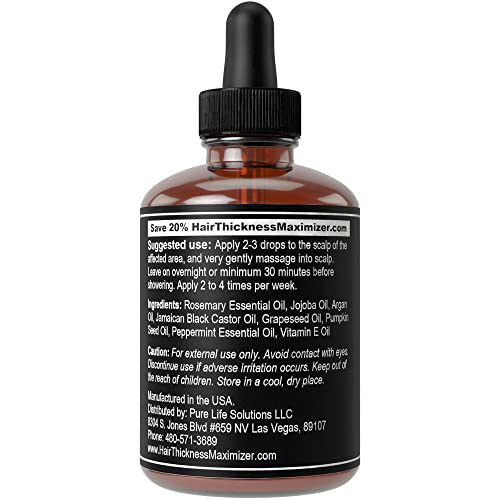
Generic treatments vary wildly in their concentration of active ingredients. A common mistake is choosing a product based on a long list of 'natural' extracts while ignoring the concentration of the primary active agent. Look for formulations that specify percentages or use standardized extracts. For example, if a treatment claims to use caffeine or saw palmetto, you want to ensure these aren't just listed for marketing purposes at the very bottom of the label. Furthermore, consider the delivery system. A serum with a lightweight, non-greasy base is often superior to a heavy oil because it can penetrate the scalp more effectively without clogging pores or causing seborrheic dermatitis, which can actually exacerbate hair loss.
Consider the Application Method and Consistency
Hair regrowth is a marathon, not a sprint. The most scientifically backed treatments require daily, consistent application for at least three to six months before results become visible. When selecting a treatment, ask yourself if the application method fits your lifestyle. If you despise the feeling of oily hair, avoid heavy oils and opt for water-based foams or lightweight serums that can be applied in the morning without ruining your styling routine. If you prefer a nighttime ritual, a concentrated scalp oil might be more appropriate. If a treatment is too cumbersome to use every single day, you are unlikely to stick with it long enough to see any physiological change.
Assess Scalp Health and Sensitivity
A healthy scalp is the foundation for hair regrowth. If your hair loss is accompanied by dandruff, redness, or itching, a treatment that is too harsh might cause inflammation, which can trigger further shedding. Look for treatments that include soothing agents like aloe vera, allantoin, or niacinamide to support the scalp barrier. Conversely, if you have an oily scalp, avoid heavy, occlusive treatments that might contribute to follicle congestion. It is always wise to perform a patch test on a small area of skin to ensure you do not have an adverse reaction to the active compounds before applying it to your entire scalp.
Recommendation Logic
When deciding between options, follow this hierarchy: First, prioritize products with clinically studied active ingredients. Second, choose a formulation that matches your scalp type (oily vs. dry). Third, select a delivery method that ensures you will actually use it daily. If you are targeting hormonal thinning, look for DHT-blocking botanicals. If you are targeting general thinning due to poor circulation, look for vasodilating ingredients like peppermint oil or caffeine.