Understanding Head Weight and Balance
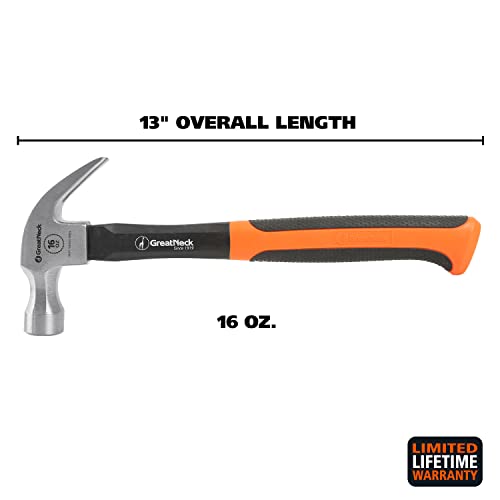
The most fundamental decision you will make is selecting the appropriate head weight. For general framing, where you are driving large nails into structural timber, a heavier head—typically ranging from 20 to 28 ounces—is essential. The extra mass provides the kinetic energy required to seat nails with minimal effort. However, if your work involves finish carpentry, trim, or cabinetry, a lighter head (14 to 16 ounces) is necessary. A lighter hammer allows for much finer control and reduces the risk of marring delicate surfaces. Beyond raw weight, you must consider the balance point. A hammer that is 'head-heavy' provides more driving power but can be fatiguing, whereas a 'balanced' hammer distributes weight more evenly through the handle, making it feel more agile during repetitive tasks.
Material Matters: Steel vs. Titanium
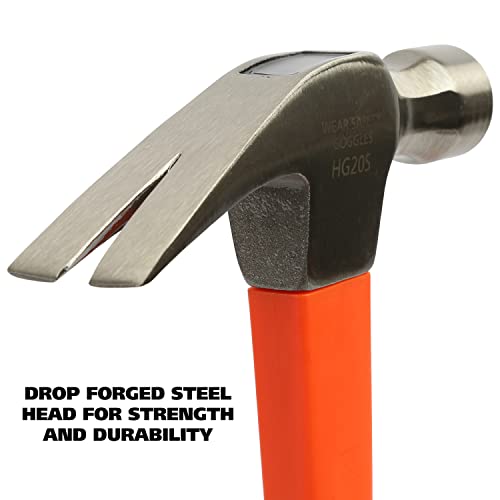
The material of the hammer head significantly impacts both performance and cost. Traditional forged steel heads are the industry standard due to their durability and cost-effectiveness. They are incredibly tough and can withstand years of heavy impact. However, steel heads transmit more vibration back into the user's hand and wrist, which can lead to fatigue or repetitive strain injuries over a long workday. Titanium heads are the premium alternative. Titanium is significantly lighter than steel but possesses a similar striking power due to its high energy transfer capabilities. Because they are lighter, you can swing them faster and more frequently with less fatigue, and they offer superior vibration dampening. While the initial investment is higher, many pros find the ergonomic benefits well worth the price.
Handle Construction and Ergonomics
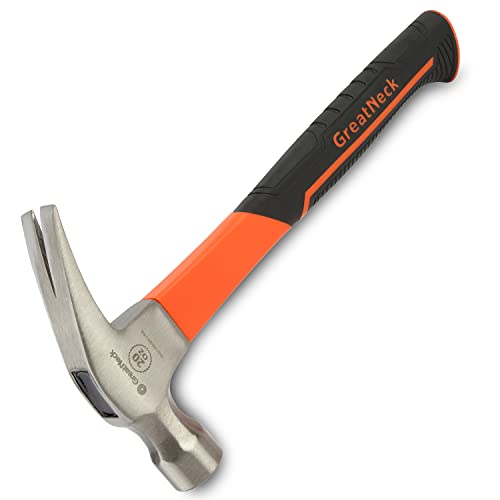
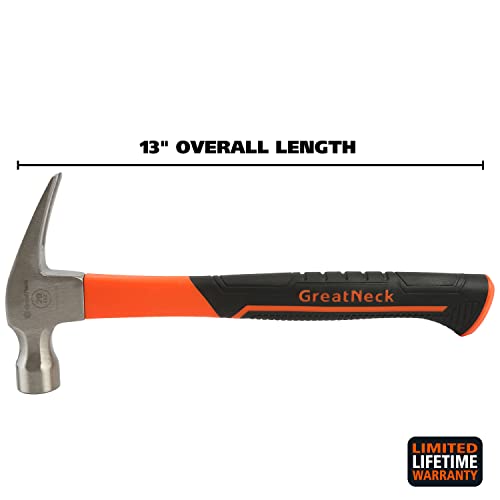
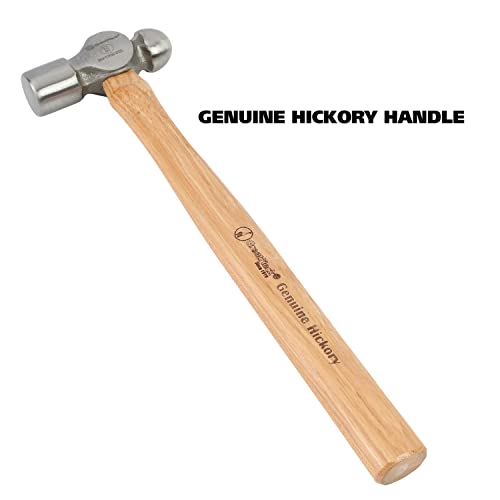
The handle is where the user experiences the tool most directly. You will generally choose between wood, fiberglass, and steel handles. Wood handles, particularly hickory, are favored by traditionalists for their natural shock absorption and classic feel. Fiberglass handles are incredibly durable and resistant to environmental factors like moisture and chemicals, making them excellent for outdoor construction sites. Steel handles are often found in integrated designs where the head and handle are a single forged unit. These are nearly indestructible but require high-quality grip coatings to mitigate vibration. Regardless of the material, look for an ergonomic grip that fills the palm comfortably and features a non-slip texture to ensure control even when working with sweaty or gloved hands.
Claw Geometry and Specialized Faces
Don't overlook the secondary function of your hammer: the claw. If you are primarily driving nails, a standard curved claw is sufficient for prying. However, if you frequently perform demolition or heavy-duty prying, you might look for a specialized claw design that offers more leverage. Additionally, consider the face of the hammer. A smooth face is ideal for finish work to prevent leaving marks on the wood, while a milled or textured face provides a better grip on the nail head, preventing the hammer from slipping during high-force strikes. Matching the face texture to your primary task is a hallmark of a smart professional.