Understanding Hammer Types and Applications
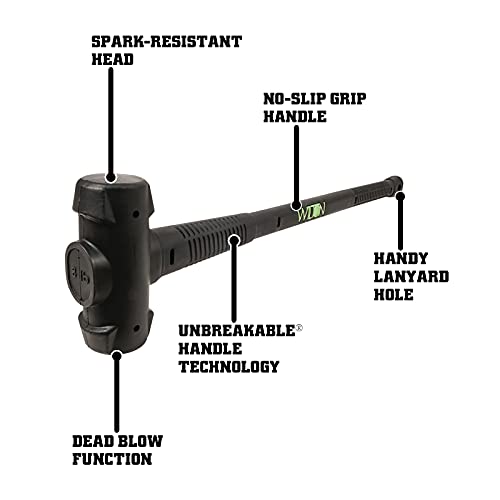
The first step in your selection process is identifying the specific mechanical action you require. Not all hammers are created equal, and using a claw hammer for metalwork or a mallet for driving steel nails is a recipe for frustration. For general carpentry and demolition, a traditional claw hammer is the standard, offering a flat striking face and a curved claw for nail extraction. However, if your work involves metal fabrication or delicate surface adjustments, you may need to look toward ball-peen hammers, which feature a rounded end designed for shaping metal and setting rivets. For tasks where you must strike a surface without marring or damaging it—such as fitting wooden joints or striking chisels—a rubber or dead-blow mallet is the superior choice. Wilton offers variations that cater to these specific mechanical needs, so always match the head geometry to your intended material.
Weight and Balance: The Physics of the Strike
One of the most critical decision factors is the weight of the hammer head. In the world of striking tools, weight is synonymous with kinetic energy. A heavier hammer head carries more momentum, allowing you to drive large nails or break through tough materials with less physical effort per swing. However, there is a trade-off: increased weight decreases precision and increases user fatigue over long periods. For fine, detail-oriented work, a lighter hammer provides better control and reduces the risk of overstriking. For heavy construction or demolition, a higher ounce rating is essential. When testing a hammer, pay attention to the balance point. A well-balanced hammer will feel like an extension of your arm, whereas a poorly balanced tool will feel 'head-heavy' or 'handle-heavy,' leading to wrist strain and inaccuracy.
Handle Material and Ergonomics
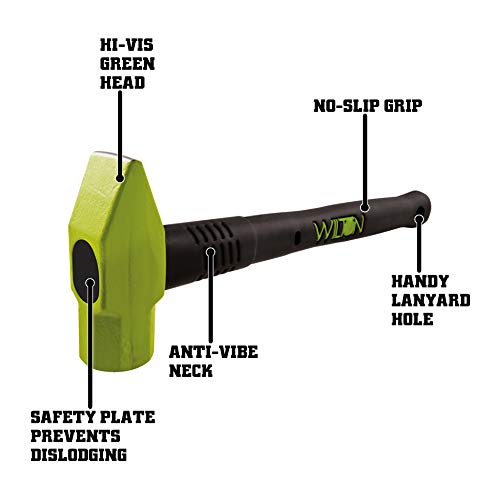
The handle is your primary interface with the tool, and it dictates how much vibration is transferred to your hand. Wilton tools typically utilize high-quality materials designed to absorb shock. Fiberglass handles are a popular choice for heavy-duty use because they are incredibly durable, weather-resistant, and offer excellent vibration dampening. Wood handles, often made from hickory, provide a classic feel and a natural flex that many traditionalists prefer, though they require more maintenance to prevent cracking. For modern ergonomic efficiency, look for handles with integrated rubberized grips. These grips increase friction, preventing the hammer from slipping during a swing, and provide a cushioned layer that protects your joints from the repetitive shock of impact. Always consider the diameter of the grip. It should fit comfortably in your palm without feeling too bulky or too slender.
Durability and Construction Quality
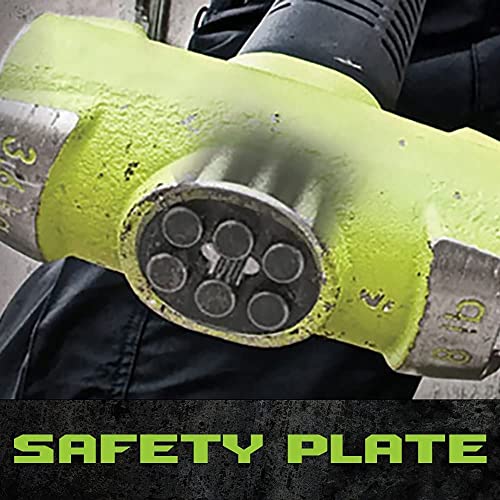
A hammer is a lifetime tool if chosen correctly. Look for hammers with forged steel heads, as forging creates a much denser and stronger molecular structure than cast steel, making the tool less likely to chip or crack under extreme stress. The connection between the head and the handle is another vital area of inspection. A secure, wedged connection is non-negotiable. A loose head is a significant safety hazard. High-quality hammers will feature a seamless transition between the striking face and the head, ensuring that the force of the impact is directed efficiently into the target rather than being lost to vibration or structural deflection.