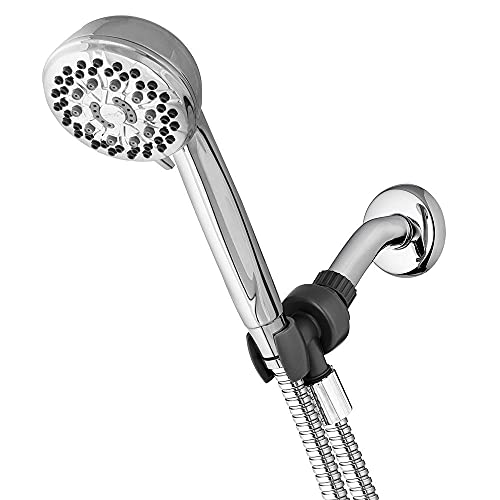
Understanding Spray Patterns and Functionality
The most defining characteristic of a handheld showerhead is its spray pattern. Most versatile models offer multiple settings, allowing you to toggle between different water distributions. A 'Rain' setting provides a wide, gentle coverage ideal for a relaxing soak, while a 'Massage' or 'Pulse' setting concentrates water into high-pressure jets to soothe sore muscles. If you have children or pets, look for a 'Mist' or 'Aerated' setting, which provides a softer touch that is less intimidating. When evaluating these settings, consider the physical dial on the handle. A smooth, tactile click is a sign of better build quality and longevity.
Material Composition and Durability
The materials used in construction will dictate both the aesthetic of your bathroom and the lifespan of the product. Plastic (specifically high-grade ABS) is common in budget models. While it is lightweight and resistant to corrosion, it can feel 'cheap' and may crack over time if dropped. Metal constructions, such as stainless steel or solid brass, offer a premium weight and much higher durability. If you opt for metal, ensure it has a high-quality finish—like brushed nickel or matte black—that is specifically rated for water resistance to prevent spotting and peeling. For those living in areas with hard water, look for models with silicone nozzles, as these allow you to easily rub away mineral buildup with your thumb.
Water Pressure and Flow Rate
One of the biggest frustrations with handheld units is a perceived loss of pressure. Many modern showerheads are designed to be water-efficient to meet environmental standards, which can sometimes result in a weak stream. To combat this, look for models that feature 'air-injection' technology. This process mixes air into the water stream, creating larger, more forceful droplets without actually increasing the volume of water used. If you have low water pressure in your home, avoid overly complex multi-function heads, as the internal chambers can create extra resistance. A simpler, streamlined design will generally perform better in low-pressure environments.
Mounting Options and Ergonomics
A handheld showerhead is only as good as its support system. You must decide between a handheld unit that comes with a dedicated cradle for the shower arm, or a combo kit that includes a fixed head and a handheld unit. Pay close attention to the hose length. A longer, flexible metal hose provides much more freedom of movement for cleaning the tub or rinsing off in a large walk-in shower. Ergonomics also matter—the handle should be easy to grip even when soapy. Look for contoured handles or textured surfaces that ensure the device won't slip from your hand during use.
Installation and Compatibility
Most handheld showerheads are designed to be universal, meaning they can be installed by a DIY enthusiast in minutes without professional plumbing help. They typically use standard threading that fits most existing shower arms. However, always check if the package includes the necessary washers and adapters. If you are replacing an old fixture, ensure the new showerhead's mounting style is compatible with your current wall configuration to avoid the need for additional hardware or drilling into your tile.