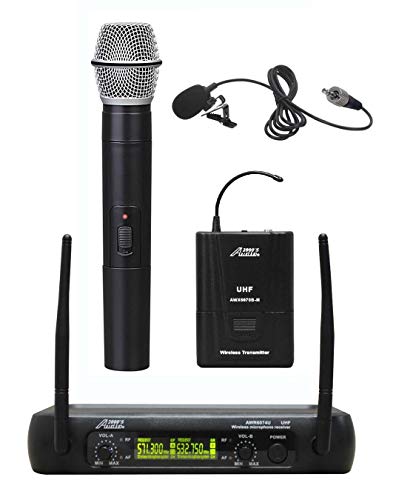
Understanding Frequency Bands and Interference
When evaluating handheld wireless systems from the 2000s, your first priority must be the frequency band. This era saw a massive shift from simple VHF (Very High Frequency) systems to more robust UHF (Ultra High Frequency) models. VHF systems are often prone to heavy interference from local radio stations and consumer electronics, making them less reliable for professional venues. UHF systems, however, offer much more headroom and stability. When shopping for these systems, check if the unit operates in a specific, narrow band or if it offers 'frequency agility.' Frequency agility allows the user to scan for clear channels, which is a lifesaver in crowded RF environments like nightclubs or convention centers where dozens of wireless signals are competing for airtime.
Analog vs. Early Digital Signal Paths
The 2000s were the 'golden age' of high-quality analog wireless. Many systems from this decade feature incredibly warm, musical signal paths that digital systems sometimes struggle to replicate. However, you must decide between the simplicity of pure analog and the emerging digital features of the late 2000s. Analog systems are easier to repair and often more intuitive to use, but they are susceptible to 'dropouts' if the signal hits a dead zone. Digital-hybrid systems from the tail end of this era offer better encryption and more consistent audio fidelity, but they require a more disciplined approach to managing the transmitter's battery life and signal synchronization.
Build Quality and Capsule Interchangeability
A wireless system is only as good as the microphone capsule attached to the handheld transmitter. During this period, premium manufacturers began standardizing high-quality condenser and dynamic capsules. When selecting a system, look for 'interchangeable capsule' compatibility. This means if you decide you want a smoother, more cardioid pattern for a vocalist, or a tighter supercardioid pattern for a loud stage, you can swap the head of the microphone without buying an entirely new wireless kit. Furthermore, inspect the physical construction of the handheld transmitter. A heavy, metal-bodied transmitter is far more durable for touring environments than the plastic-heavy models that were often marketed toward hobbyists.
Receiver Versatility and Output Options
The receiver is the brain of the operation. For professional applications, avoid receivers that only offer a single unbalanced output. You should look for systems that provide balanced XLR outputs to ensure a low-noise connection to your mixing console. Additionally, consider the rack-mount capability. A professional-grade system from this era should be designed to sit securely in a standard equipment rack, providing easy access to tuning controls and signal strength meters. The presence of a 'diversity' receiver setup—where two separate antennas receive the signal to prevent signal loss—is a critical feature that separates professional tools from consumer-grade toys.
Recommendation Logic
If you are a budget-conscious performer looking for a reliable backup, prioritize a UHF analog system with a proven track record of durability. If you are an audio engineer managing a venue, prioritize systems that offer frequency scanning and multiple output options. Always prioritize signal stability and build quality over flashy digital displays that may fail over time.