Prioritizing Material Integrity and Wood Species
The most critical decision in selecting a handmade desk is the choice of wood. Artisans often work with hardwoods like walnut, cherry, oak, or maple because of their density and ability to hold joinery over decades. Walnut is highly sought after for its deep, chocolate tones and sophisticated grain, making it a staple for executive-style home offices. Oak offers a more rugged, textured aesthetic with incredible durability, while cherry provides a warm, reddish hue that matures beautifully over time. When shopping, ask the maker about the source of their timber. Sustainable, locally sourced wood often indicates a higher level of craftsmanship and environmental responsibility. Avoid desks that use heavy veneers or particle board disguised as solid wood, as these lack the structural 'soul' and repairability of true solid-wood construction.
Understanding Joinery Techniques
In the world of handmade furniture, how the pieces are connected is more important than how they look on the surface. Mass-produced desks rely on cam locks, screws, and glue, which eventually wobble or fail. High-end handmade desks utilize traditional joinery such as mortise-and-tenon, dovetails, or through-tenons. These methods rely on the geometry of the wood itself to create strength. A mortise-and-tenon joint, for instance, provides immense lateral stability, preventing the desk from swaying while you type or write. If a maker cannot explain their joinery method, it is a red flag. Look for desks where the construction is designed to expand and contract with seasonal humidity changes, a hallmark of professional woodworking.
Ergonomics and Functional Dimensions
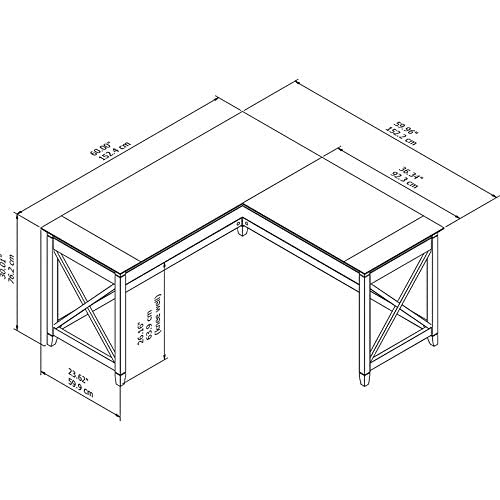
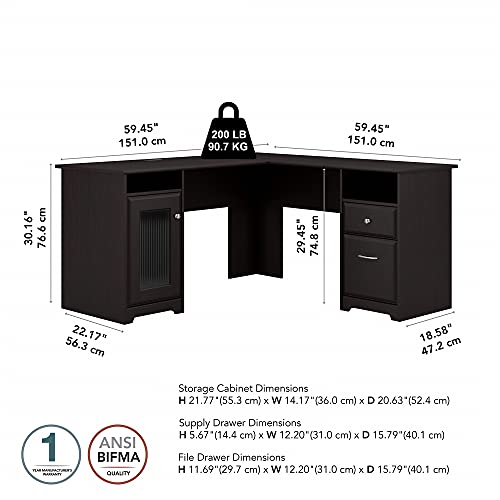
A desk can be a masterpiece, but if it causes back pain, it is a failure. Because handmade pieces are often custom or small-batch, you have the opportunity to consider specific ergonomic needs. Pay close attention to the desktop height. A standard desk may not be ideal if you are particularly tall or if you plan to pair it with a specific ergonomic chair. Furthermore, consider the depth of the workspace. A desk that is too shallow will leave no room for a monitor stand and a keyboard, while one that is too deep may make reaching for items difficult. If you use multiple monitors or large tactile tools, ensure the surface area accommodates your peripheral footprint without feeling cramped.
Surface Finish and Maintenance
The finish on your desk dictates both its aesthetic and its daily usability. Artisans typically use natural oils (like linseed or tung oil) or hard waxes. These finishes are beautiful because they penetrate the wood, highlighting the natural texture, but they require occasional re-oiling to maintain their luster. Alternatively, a hand-applied lacquer or polyurethane offers more protection against water rings and ink stains, which is vital if you frequently work with coffee or fountain pens. When choosing, consider your lifestyle: if you want a 'living finish' that develops a patina over years of use, go with oil. If you want a low-maintenance, high-protection surface, opt for a hard-shell finish.
The Value of Customization
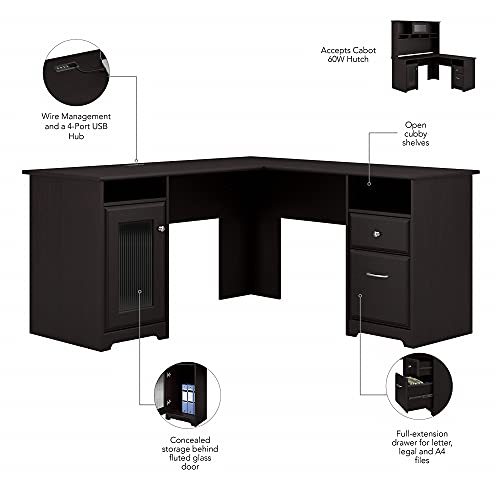
The primary advantage of choosing handmade over retail is the ability to tailor the piece to your specific workflow. Don't be afraid to ask for integrated cable management solutions, built-in drawers for specific stationery, or even a recessed area for a tablet. A bespoke desk should solve the specific organizational problems of your unique workspace, turning a piece of furniture into a highly efficient tool for your career.