Paper Quality and Weight
The most critical element of an executive notebook is the paper itself. For high-level note-taking, you must look for a high GSM (grams per square meter) count. While standard notebooks often use 70-80 GSM paper, an executive-tier notebook should ideally sit between 100 and 160 GSM. This thickness prevents 'ghosting' (where writing is visible on the reverse side) and 'bleed-through' (where ink penetrates to the next page). If you prefer using fountain pens, look specifically for acid-free, fountain-pen-friendly paper that can handle heavy ink loads without feathering. A smooth, cream-colored finish is often preferred over bright white, as it reduces eye strain during long brainstorming sessions.
Binding and Durability
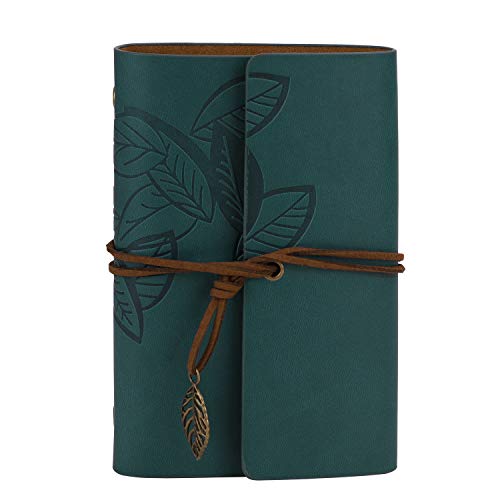
Executive notebooks demand structural integrity. The hardcover construction is non-negotiable. It provides a stable writing surface when you are working on your lap or in a cafe without a desk. Look for 'lay-flat' binding technology. A notebook that snaps shut or resists being opened flat is a hindrance to efficient writing. Smyth-sewn binding is the gold standard here, as it allows the book to stay open at any page without the spine cracking or pages falling out over time. The cover material should also be considered: vegan leather or genuine leather offers a professional texture and durability, whereas high-quality buckram cloth provides a more academic, timeless feel.
Layout and Page Ruling
The internal organization should match your cognitive style. Dot grid layouts are currently the favorite among executives who balance structured writing with rapid sketching and diagramming. If your work is purely textual, a classic ruled (lined) layout is best. However, for those managing complex projects, a grid or graph layout offers the best precision. Additionally, consider the presence of organizational features such as ribbon markers, expandable inner pockets for business cards or receipts, and an elastic closure to keep the notebook secure in a briefcase.
Portability vs. Capacity
Size is a balancing act between utility and convenience. An A5 format is widely considered the 'sweet spot' for executives—large enough to hold significant information but compact enough to fit into most laptop bags and briefcases. If you are a frequent traveler who prefers minimalist gear, an A6 notebook might suffice, though you will sacrifice writing space. Conversely, if your notebook serves as a primary journal for deep work, an A4 format provides the necessary canvas, though it becomes significantly more cumbersome to carry.
The Decision Logic
To make the right choice, first identify your primary writing instrument. If you use fine-liners or fountain pens, prioritize paper weight above all else. Second, determine your environment. If you write on the move, prioritize a rigid hardcover and an elastic closure. Finally, choose a cover texture that aligns with your professional brand—sleek, dark leathers for traditional corporate environments, or textured fabrics for more creative or academic settings.