Understanding the Track and Rail Fundamentals
The cornerstone of any professional hanging setup is the rail itself. When choosing hardware, you must first determine the mounting method suitable for your wall type. Most systems offer two primary installation styles: ceiling-mounted tracks and wall-mounted tracks. Ceiling tracks are ideal for minimalist aesthetics, as they allow the art to 'float' away from the wall, creating a sense of depth and preventing shadows from obscuring the bottom of the frames. Wall tracks, conversely, are more discreet and sit flush against the surface, making them better suited for traditional rooms where you want the hardware to blend into the architecture.
Weight Capacity and Material Durability
One of the most common mistakes in selecting hanging hardware is overlooking the weight rating of the individual components. A system is only as strong as its weakest link—usually the connection between the rail and the hook. When browsing hardware, look for high-grade aluminum rails and reinforced steel cables or nylon cords. If you intend to hang heavy, oversized oil paintings or framed mirrors, you must verify that the specific combination of rail, cord, and hook is rated for that exact load. Using lightweight decorative hooks for heavy-duty art is a recipe for structural failure. Always cross-reference the weight of your heaviest piece with the maximum load capacity specified for the mounting hardware.
Hook and Cable Versatility
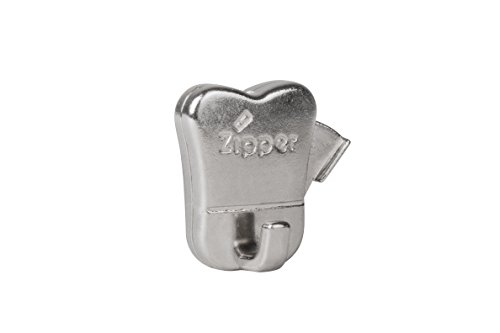
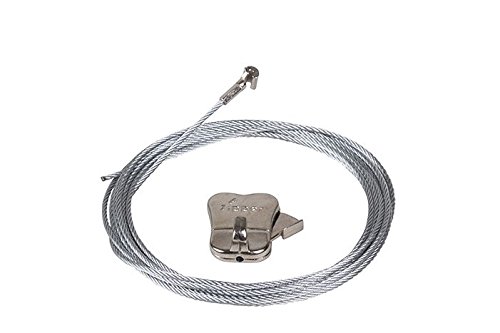
The versatility of a Stas system lies in its modularity. You aren't just buying a track. You are building an ecosystem of hooks, wires, and connectors. For modern, clean looks, thin steel cables provide a nearly invisible support structure. For a more industrial or high-contrast aesthetic, thicker cords can be used. When selecting hooks, consider the 'drop' distance—how far down the frame will sit from the rail. Some hardware is designed for 'top-hanging' (where the frame sits atop a hook), while others are designed for 'bottom-hanging' (where a wire on the back of the frame catches a hook). Ensure your hardware matches the hanging method used on the back of your artwork to prevent tilting or uneven spacing.
Aesthetic Integration and Finish
Hardware should complement your interior design, not distract from it. Most professional systems come in various finishes, such as matte white, brushed silver, or black. If you are installing tracks in a room with white crown molding, a white track will disappear into the architecture, providing a seamless gallery look. If you are working in a loft with exposed industrial elements, a black or metallic finish might better suit the environment. High-quality hardware will feature a consistent finish across the rails, cables, and hooks to ensure a cohesive visual presentation.
To achieve a professional result, look for hardware kits that include or allow for the use of specialized spacing tools. A common frustration with hanging systems is the difficulty of leveling multiple frames at once. Investing in hardware that facilitates easy height adjustment and precise lateral movement will save significant time during the installation process and ensure your gallery wall looks intentional rather than haphazard.