Understanding HDMI Versions and Bandwidth
The most vital factor in choosing a cable is the bandwidth capacity, which is dictated by the HDMI standard it supports. If you are purchasing a 4K television, a standard HDMI cable may suffice, but if you are moving into the realm of 8K resolution or high-frame-rate gaming, you must look for cables labeled with high-speed capabilities. For enthusiasts, the 'Ultra High Speed' designation is the gold standard, providing the necessary bandwidth to handle 48Gbps. This ensures that features like Dynamic HDR and high refresh rates (such as 120Hz or 144Hz) function without stuttering or losing color depth. Always match your cable's capability to the weakest link in your chain: if your console supports 8K but your cable only supports 4K, your visual experience will be throttled.
The Importance of HDMI Ethernet and ARC/eARC
Modern setups often involve multiple devices, such as soundbars, receivers, and gaming consoles. This is where Audio Return Channel (ARC) and its successor, Enhanced Audio Return Channel (eARC), become essential. When selecting a cable for a home theater, ensure it supports eARC to allow for uncompressed, high-bitrate audio formats like Dolby Atmos to flow seamlessly from your display back to your audio system. Furthermore, look for 'HDMI with Ethernet' functionality. This allows devices to share an internet connection through the HDMI cable itself, reducing cable clutter and providing a more stable data path for smart devices.
Cable Construction and Shielding
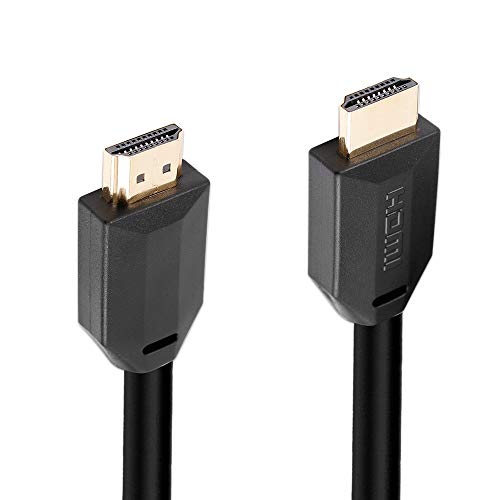
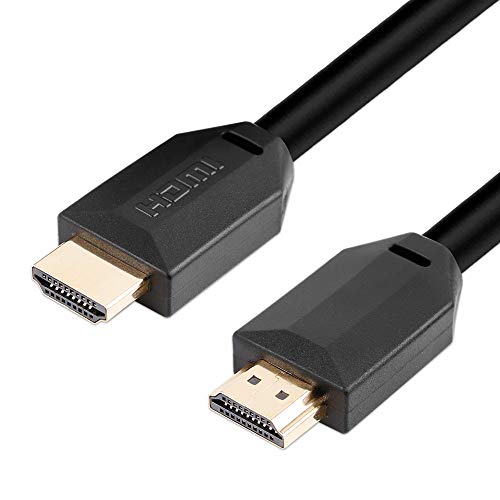
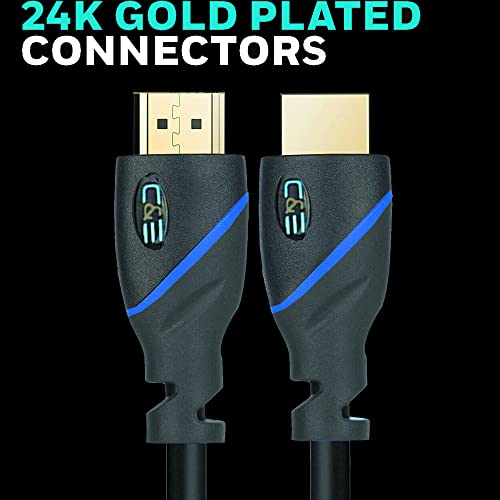
Because HDMI cables carry high-frequency digital signals, they are highly susceptible to electromagnetic interference (EMI) from nearby power cords, Wi-Fi routers, or other electronic devices. A high-quality cable will feature robust internal shielding—often involving multiple layers of aluminum foil and braided copper. When inspecting a cable, consider the build quality of the connectors. Gold-plated connectors are not just a luxury; they provide superior corrosion resistance, ensuring a stable connection over years of use. Additionally, pay attention to the cable jacket; braided nylon jackets offer better durability and tangle resistance, which is particularly useful for cables that need to be routed behind heavy furniture or through tight conduits.
Length vs. Signal Integrity
A common mistake is purchasing a cable that is unnecessarily long, which can lead to signal degradation. In digital transmission, as the physical length of the copper wire increases, the signal strength weakens. For short runs under 10 feet, standard copper cables are highly reliable. However, if you are running a cable across a large living room or through walls (exceeding 15–25 feet), you may need to consider Active HDMI cables or Optical HDMI cables. Optical cables use light rather than electricity to transmit data, making them immune to much of the interference that plagues long copper runs and allowing for much longer distances without losing signal fidelity.
Final Recommendation Logic
To make the right choice, follow this hierarchy: First, identify your target resolution and refresh rate. Second, check if your audio setup requires eARC. Third, determine the distance the cable must travel. For a standard TV setup, a high-speed braided cable is perfect. For a high-end gaming or cinema setup, prioritize Ultra High Speed ratings and eARC compatibility. For long-distance installations, opt for fiber optic technology to ensure your 4K or 8K signal arrives crisp and uninterrupted.