Understanding Assembly Types: OEM vs. Aftermarket
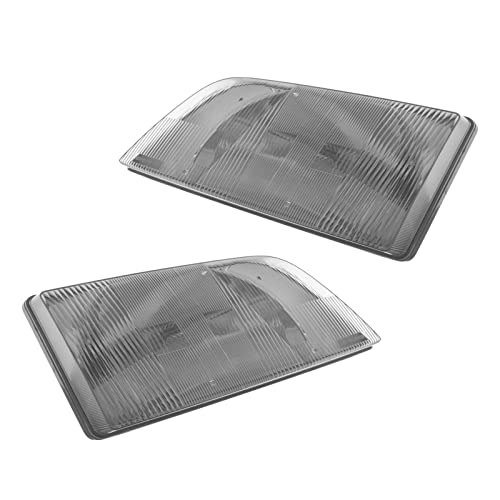
The first decision you must make is whether to go with Original Equipment Manufacturer (OEM) style parts or aftermarket alternatives. OEM-style assemblies are designed to mimic the exact specifications, mounting points, and light patterns of the factory part. These are ideal if you want a seamless 'plug-and-play' experience. Aftermarket assemblies, however, offer much more variety. You can find 'Euro-style' housings with blacked-out internals for a custom look, or upgraded projector assemblies that significantly improve the beam pattern. While aftermarket parts are often more budget-friendly, always check user reviews regarding moisture sealing, as lower-end aftermarket units can sometimes suffer from condensation issues.
Light Source Technology: Halogen, LED, or HID
When browsing assemblies, you need to decide if you are buying a housing that accommodates your existing bulbs or one with integrated lighting technology. Halogen assemblies are the standard, cost-effective choice, but they produce a warmer, yellowish light. HID (High-Intensity Discharge) assemblies provide a much brighter, bluish-white light but require a ballast to function. LED assemblies are the modern gold standard. They are highly energy-efficient, have an incredibly long lifespan, and offer crisp, white light. Note that if you buy an LED-integrated assembly, you cannot easily swap it back to halogen, so ensure you are comfortable with the color temperature and brightness level before purchasing.
Beam Pattern and Projector vs. Reflector
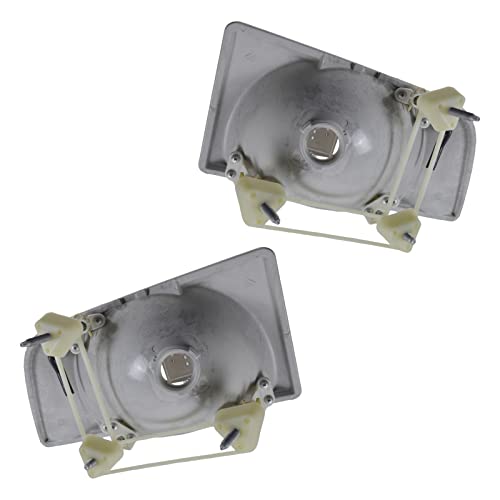
How the light is shaped is critical for preventing glare for oncoming drivers. Traditional reflector assemblies use a mirrored interior to bounce light forward. These are common in older or base-model vehicles. Projector assemblies use a specialized lens to focus the light into a tight, controlled beam. Projectors are superior for modern driving because they offer a much sharper 'cutoff line,' which prevents light from spilling into the eyes of other motorists while still illuminating the road ahead. If you are upgrading from a reflector to a projector, ensure the assembly is designed to be compatible with your vehicle's existing wiring harness.
Critical Fitment and Housing Integrity
A headlight assembly is useless if it doesn't sit flush against the fender. When selecting an assembly, verify that it includes all necessary mounting tabs and internal wiring connectors. A common pitfall is purchasing an assembly that looks correct but lacks the specific electrical plug required for your vehicle's trim level. Additionally, pay close attention to the seal quality. High-quality assemblies feature UV-resistant polycarbonate lenses that won't yellow quickly and robust rubber gaskets to prevent water intrusion. If you see an assembly with a very thin or flimsy housing, it is likely to develop fogging issues within a few months of driving in rain or snow.