Understand the Housing Construction and Sealing
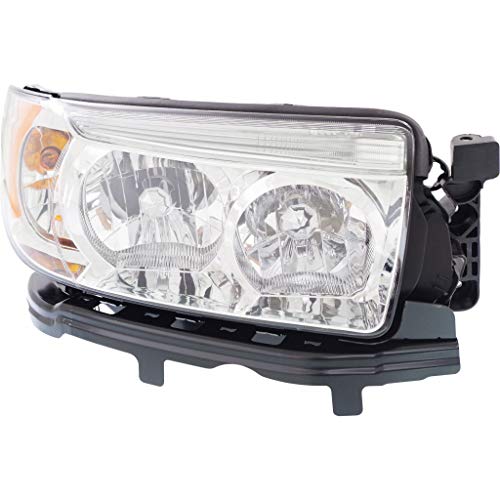
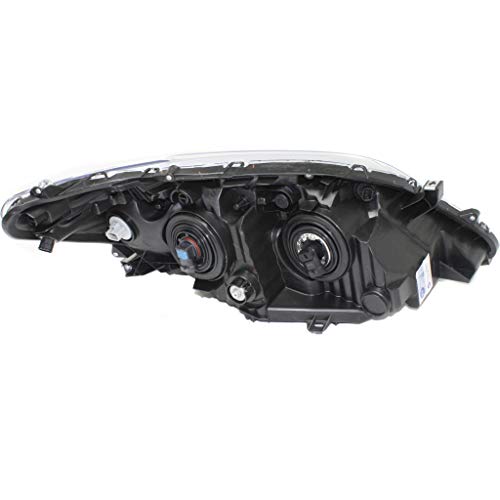
The most common failure point in headlight assemblies is not the bulb itself, but the housing. Over time, UV exposure and temperature fluctuations can cause plastic housings to become brittle or develop micro-cracks. When selecting an assembly, look for high-grade polycarbonate lenses that feature UV-resistant coatings. This prevents the 'yellowing' or 'clouding' effect that plagues cheaper, generic replacements. Furthermore, pay close attention to the sealing mechanism. A premium assembly should feature robust, moisture-tight gaskets and high-quality silicone seals. If the seal is substandard, condensation will build up inside the lens, leading to electrical shorts and a significant reduction in light output.
Light Source Technology: Halogen vs. LED vs. HID
One of the most significant decision factors is the integrated light source. If you are looking for a direct plug-and-play replacement that maintains your vehicle's factory look, halogen assemblies are the standard. However, if you are looking to modernize your vehicle, consider LED-integrated assemblies. LED units offer superior lumen output, a crisper white light that mimics modern luxury vehicles, and significantly longer lifespans. If your vehicle is designed for High-Intensity Discharge (HID) systems, ensure the assembly is specifically engineered for those ballasts. Be wary of 'hybrid' kits that attempt to retrofit LED bulbs into halogen housings without proper heat dissipation. Without dedicated cooling fins or internal fans, these can melt the housing or cause premature bulb failure.
Beam Pattern and Optical Precision
A headlight's job is not just to be bright, but to be precise. A poor-quality assembly will scatter light in all directions, creating a 'wall of glare' that blinds oncoming traffic and leaves the edges of the road in darkness. Look for assemblies that emphasize advanced optical reflectors or projector lens technology. Projector lenses are particularly effective because they use a concentrated lens to shape the beam, providing a sharp 'cutoff line.' This ensures the light is directed precisely onto the pavement where you need it, rather than into the eyes of other drivers. When reading specifications, look for mentions of precise beam patterns and controlled light distribution.
Fitment and Ease of Installation
The frustration of a poorly designed assembly often comes during the installation phase. Even if a part is listed as compatible, manufacturing tolerances can vary. High-quality assemblies are engineered to match the original equipment manufacturer (OEM) mounting points exactly. This ensures that the unit sits flush against the fender and that the electrical connectors snap into place without tension or the need for wire splicing. If you are performing the installation yourself, prioritize assemblies that offer a 'direct fit' designation, which minimizes the need for aftermarket modifications or specialized tools.
Durability and Environmental Resistance
Headlights are constantly bombarded by road debris, salt, and extreme weather. Beyond the UV coating mentioned earlier, check for the quality of the internal components. The wiring harnesses within the assembly should be heat-resistant and well-insulated. High-quality assemblies are designed to withstand the vibrations of driving and the thermal expansion caused by the heat of the bulbs themselves. Investing a bit more in a reinforced assembly can prevent the common issue of the internal reflectors peeling or the housing warping due to heat soak.