Prioritizing Visual Fidelity and Resolution
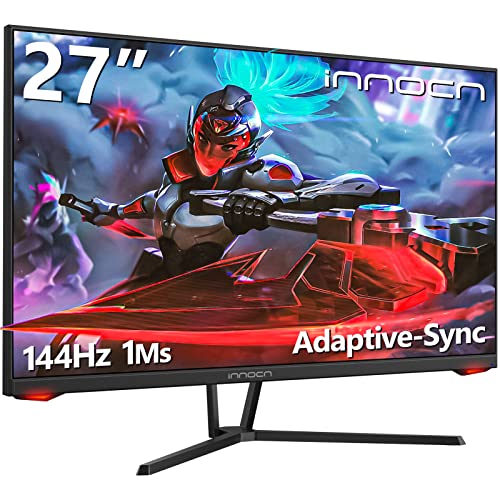
At 85 inches, pixel density becomes the most critical factor in determining whether a monitor is functional or merely large. For health monitoring, where a physician or user might need to examine fine-grained data trends, subtle skin tone variations during telehealth, or high-resolution medical imaging, 4K resolution is the absolute baseline. Anything less will result in visible pixelation that can lead to diagnostic errors or eye strain. Look for panels that offer high peak brightness and excellent contrast ratios. This ensures that even in brightly lit clinical settings, the data overlays and charts remain crisp and legible from across a room.
Panel Technology and Color Accuracy
Not all large-format displays are created equal. For health applications, the type of panel used—such as IPS (In-Plane Switching)—is often preferred over VA (Vertical Alignment) panels. IPS technology provides superior viewing angles, which is vital when multiple people are viewing a health dashboard simultaneously or when a practitioner is viewing the screen from an angle. Furthermore, color accuracy is non-negotiable if the monitor is being used to view dermatological images or blood oxygenation levels via video. Ensure the monitor supports a wide color gamut to prevent the misinterpretation of visual health indicators.
Connectivity and Data Integration
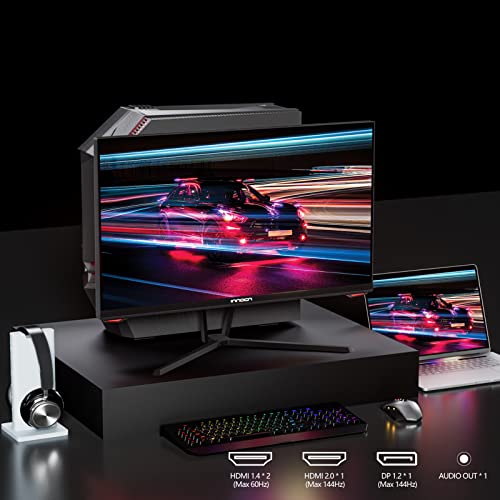
A health monitor is only as useful as the data it can display. Because these monitors are often part of a larger ecosystem of wearable sensors, smart scales, and medical IoT devices, connectivity is a primary decision factor. Look for monitors that offer a robust array of ports, including multiple HDMI inputs for secondary diagnostic tools and USB-C ports that support high-speed data transfer and single-cable video output. If the monitor is intended for a professional setting, check for compatibility with medical-grade software and the ability to integrate seamlessly with local area networks (LAN) for real-time data syncing from remote patient monitoring systems.
Eye Comfort and Long-Term Usage
Since health monitoring often involves long periods of observation or continuous data streaming, eye fatigue is a significant concern. Prioritize monitors equipped with flicker-free technology and low blue light certifications. These features are essential for maintaining user comfort during extended telehealth sessions or when monitoring patient vitals throughout a shift. Additionally, consider the matte versus glossy finish. A matte screen is generally better for clinical environments to reduce glare from overhead medical lighting, which can obscure critical data points.
Decision Logic: Choosing Your Tier
When making your final selection, categorize your needs into three tiers. If you are a home wellness enthusiast, focus on smart integration and ease of use with consumer-grade health apps. If you are a telehealth professional, prioritize camera-ready clarity, wide viewing angles, and high-quality audio integration. For clinical or diagnostic environments, your focus must shift entirely to color calibration, high-resolution medical imaging support, and enterprise-grade connectivity to ensure every pixel serves a life-critical purpose.