Understanding Dome Types: Open vs. Closed
The most fundamental decision you will make is choosing between an open-fit and a closed-fit dome. This choice is primarily driven by your specific type of hearing loss and how your brain processes sound.
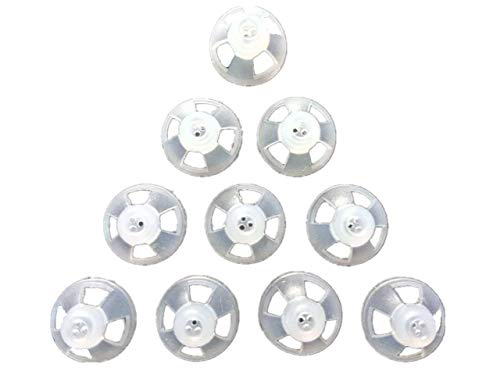
Open Domes: These feature multiple small holes (ventilation) that allow air and natural sound to enter the ear canal. They are ideal for users with mild-to-moderate hearing loss who want to avoid the 'occlusion effect'—that hollow, booming sensation where your own voice sounds like you are talking inside a barrel. Open domes provide a more natural soundscape but offer less amplification power because some sound escapes through the vents.
Closed Domes: These are solid tips designed to create an airtight seal. If you have severe-to-profound hearing loss, you likely require a closed dome to ensure the amplified sound is directed fully into the canal without leaking. While they provide maximum gain, they can sometimes cause the occlusion effect, making your own voice sound overly resonant.
Size and Fitment Precision
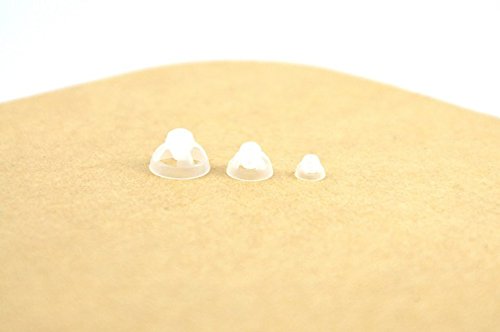
A dome that is too large will cause physical pain and pressure points, while a dome that is too small will fail to create a seal, leading to acoustic feedback (whistling) and poor sound performance. Most manufacturers offer sizes ranging from extra-small to large. When selecting, it is vital to consider the shape of your ear canal. Some users have narrow, straight canals, while others have wider, more curved anatomy. If you find that standard domes frequently slip out, you may need to transition to a more textured material or a slightly larger size to ensure stability.
Material Durability and Hygiene
Domes are consumable items. They are not permanent. Because they sit in a warm, moist environment (the ear canal), they are prone to accumulating earwax (cerumen) and moisture. This buildup can clog the vents of open domes or degrade the silicone material over time. Look for high-quality medical-grade silicone that maintains its elasticity. If a dome becomes stiff, discolored, or loses its shape, it is time to replace it. Regular replacement is not just about sound quality—it is a matter of ear hygiene to prevent infections caused by bacteria buildup on old, porous material.
Recommendation Logic: How to Choose
To make the right purchase, follow this decision hierarchy:
- Step 1: Identify your loss level. Mild loss? Go Open. Severe loss? Go Closed.
- Step 2: Assess your comfort. If you feel 'plugged up,' move to a larger vent size or an open dome. If you hear whistling, move to a closed dome or a larger size to seal the leak.
- Step 3: Evaluate your environment. If you are in a noisy environment and struggle to hear speech, a closed dome can help focus the sound, whereas an open dome might allow too much ambient noise to interfere.
Always keep a variety pack of sizes on hand. Ear canal dimensions can shift slightly due to swelling or age, and having immediate access to a different size can prevent a day of discomfort.