Prioritize Protein Source and Quality
The most critical factor when selecting an Epic protein bar is the primary ingredient. Unlike many competitors that rely on whey protein isolates or soy protein concentrates, Epic focuses on real meat—typically beef, venison, or bison. This provides a complete amino acid profile that is more bioavailable for muscle repair. When browsing, look closely at the meat-to-additive ratio. A superior bar will lead with high-quality protein sources and use minimal binders. If your goal is maximum nutrient density, prioritize the bars that utilize wild game or grass-fed beef, as these often contain better fatty acid profiles than standard grain-fed options.
Evaluate the Macro-Nutrient Balance
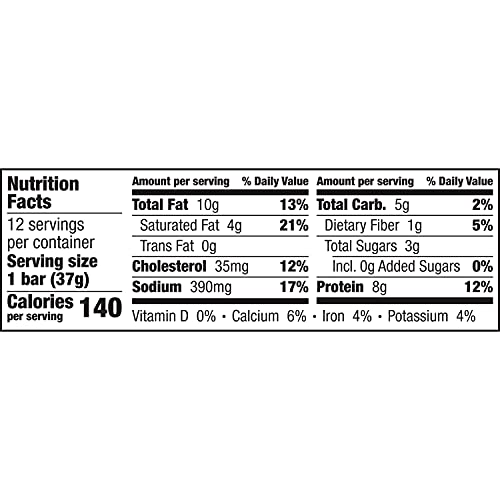
Not all protein bars serve the same physiological purpose. You must decide if you need a ketogenic-friendly snack or a more balanced fuel source. Many Epic bars are designed with a low-glycemic index in mind, meaning they are high in protein and healthy fats while remaining very low in carbohydrates. This is ideal for those following a keto or paleo lifestyle to avoid insulin spikes. However, if you are using these bars as a post-workout recovery tool after intense glycogen depletion, you might look for variations that incorporate a slightly more diverse nutrient profile. Pay attention to the fiber content as well. A bit of fiber helps with satiety and slows digestion, ensuring that the energy from the fats and proteins is released steadily over several hours.
Consider Flavor Profiles and Texture
One of the biggest pitfalls in the protein bar category is the 'chalky' texture. Because Epic uses real meat, the texture is fundamentally different from a chewy, candy-like protein bar. Some users prefer the savory, jerky-like consistency, while others might find it more intense. To avoid 'flavor fatigue,' it is wise to select a variety pack. Look for savory profiles like sea salt, black pepper, or spicy chili to satisfy cravings that sweet protein bars cannot touch. If you are transitioning from traditional sweet bars, start with their more mild, salt-forward options before moving into heavy spice profiles.
Check for Dietary Certifications and Clean Labels
The reason many consumers gravitate toward this brand is the 'clean label' promise. When making your final selection, verify that the bar meets your specific dietary restrictions. Look for labels that explicitly state 'Paleo Friendly,' 'Gluten-Free,' or 'Non-GMO.' Because these bars avoid artificial sweeteners like sucralose or aspartame, you are getting a much cleaner metabolic experience. Always scan the ingredient list for hidden sugars or maltodextrin, which can undermine the high-protein benefits you are seeking. The best choice is always the one with the shortest, most recognizable ingredient list.