Prioritize Protein Quality and Source
Not all protein is created equal. When evaluating high-protein bars, the first step is looking at the source. Animal-based proteins, such as beef, bison, or venison, offer a complete amino acid profile that is highly bioavailable, meaning your body can utilize it effectively for muscle repair. If you are opting for plant-based alternatives, ensure the bar uses a blend of sources—such as pea, brown rice, or hemp—to create a complete profile. Avoid bars that rely heavily on highly processed soy isolates if you are looking for 'clean' fuel. A premium bar should list recognizable ingredients where the protein is a primary component, not a secondary additive used to pad the label.
The Macronutrient Balance: Protein vs. Fats vs. Carbs
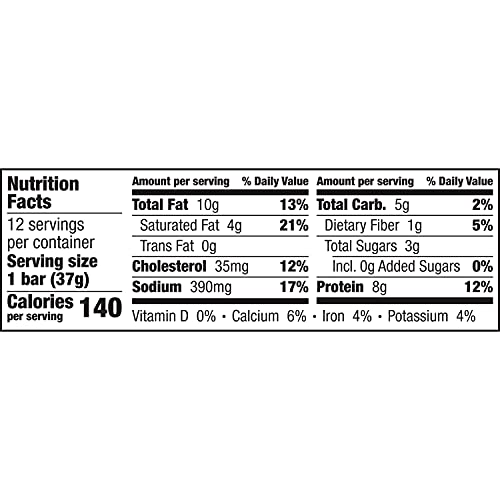
A common mistake is focusing solely on the protein count. A bar with 20g of protein is useless if it is accompanied by 30g of refined sugar, which will lead to an insulin spike and a subsequent energy crash. For sustained endurance, look for a moderate fat content. Healthy fats from nuts, seeds, or animal fats provide long-burning fuel that keeps satiety levels high. If your goal is weight management, aim for a higher protein-to-calorie ratio. If you are an endurance athlete needing glycogen replenishment, look for complex carbohydrates like oats or dried fruit rather than corn syrup or maltodextrin.
Texture and Palatability for Real-World Use
The best nutritional profile in the world won't matter if the bar is unpalatable. Protein bars often suffer from two extremes: they are either rock-hard and difficult to chew (common in high-protein jerky-based bars) or overly gummy and sticky (common in whey-based bars). Consider your environment. If you are hiking in cold weather, a bar that hardens significantly might be difficult to eat. If you are eating on the go, avoid overly messy textures that require a napkin and a seated break. A good high-protein bar should offer a satisfying mouthfeel—whether that is a savory, chewy texture or a crunchy, nut-heavy bite—without feeling like you are eating chalk.
Ingredient Integrity and Additives
To truly qualify as 'epic' provisions, the ingredient list should be short and transparent. Be wary of bars that utilize excessive sugar alcohols (like erythritol or xylitol) to keep calorie counts low. While they reduce sugar, they can cause significant gastrointestinal distress during physical activity. Similarly, watch out for artificial sweeteners, emulsifiers, and preservatives. The goal is to find a bar that mimics real food. Look for seasonings like sea salt, garlic, or black pepper in savory bars, and real cocoa or nut butters in sweeter varieties. The closer the ingredient list looks to a home-cooked meal, the better it will perform for your body.
Decision Logic: Matching the Bar to the Mission
Finally, choose your bar based on your specific 'mission.' For a pre-workout boost, prioritize a slightly higher carbohydrate content to fuel immediate movement. For a post-workout recovery meal, prioritize high protein and moderate fats to repair tissue. For long-distance hiking or sustained focus, prioritize high fat and high protein to ensure steady blood sugar levels. By matching the macronutrient profile to your physiological demand, you turn a simple snack into a strategic tool for performance.