Determine Your Primary Use Case
The first step in selecting Monoprice speakers is defining the acoustic environment. Are you looking to upgrade a television setup in a living room, or are you building a dedicated stereo system for critical music listening? For casual TV watching, a set of compact bookshelf speakers paired with a center channel is often sufficient. These are easier to place on media consoles and provide clear dialogue. If you are an audiophile looking for a dedicated music station, you should prioritize floor-standing models. These larger units typically feature more drivers and larger enclosures, allowing for a wider soundstage and more natural instrument separation.
Understanding Driver Configuration and Frequency Response
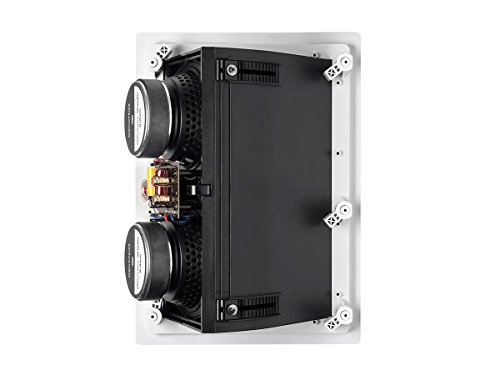
Monoprice speakers vary significantly in their driver layouts. When browsing, pay close attention to the woofer size and the presence of a dedicated tweeter. A larger woofer generally translates to better low-end extension, meaning you won't have to rely as heavily on a subwoofer for bass. If you are looking for a balanced sound, seek out models that feature a two-way or three-way design. A two-way system (woofer and tweeter) is excellent for space-saving, while a three-way system (woofer, midrange, and tweeter) can offer much higher clarity in the vocal range, preventing the 'muddiness' that often occurs when a single driver tries to handle too many frequencies.
Matching Impedance and Power Handling
One of the most common mistakes in home audio is pairing speakers with an amplifier that cannot drive them effectively. Most Monoprice speakers are designed with standard impedance ratings, but you must ensure your receiver or integrated amp can handle the load. Look at the wattage rating. If you have a small, low-power desktop amp, driving large floor-standing towers will likely result in distorted sound or even damage to your equipment. Conversely, if you have a high-powered home theater receiver, you want speakers that can handle higher continuous power without clipping. Always aim for a match where the amplifier's output capability sits comfortably within the speaker's recommended range.
The Role of Subwoofers in Your Setup
No matter how good your main speakers are, many Monoprice configurations benefit immensely from a dedicated powered subwoofer. A subwoofer handles the heavy lifting of the sub-bass frequencies (typically below 80Hz), which relieves the pressure on your smaller bookshelf or tower speakers. This allows the main speakers to play more cleanly at higher volumes. If you are building a surround sound system, investing in a matching Monoprice subwoofer ensures a seamless transition between the low-end punch and the mid-range clarity, creating a cohesive sonic experience.
Room Acoustics and Placement
Finally, remember that even the best speakers will sound poor in a poorly configured room. Monoprice speakers are designed to be versatile, but they still react to their surroundings. Avoid placing speakers directly against a wall if you want to prevent boomy, uncontrolled bass. If you are using bookshelf models, try to place them at ear level using stands to ensure the high frequencies are directed straight toward your listening position. The more you can control reflections from hard surfaces like windows or hardwood floors, the more impressive your audio setup will become.