#TOP1
In an era where smart appliances, high-definition streaming, and remote work are the standard, your home network is no longer a luxury—it is the digital backbone of your household. A weak connection leads to more than just slow downloads. It results in dropped video calls, buffering during peak entertainment hours, and frustrated smart home devices that fail to respond. Building a robust home computer network requires moving beyond the basic hardware provided by your ISP and understanding how signal distribution, bandwidth management, and hardware interoperability work together to create a seamless digital environment.
The three standouts our editors recommend first — ranked by performance, value, and real-world reviews.
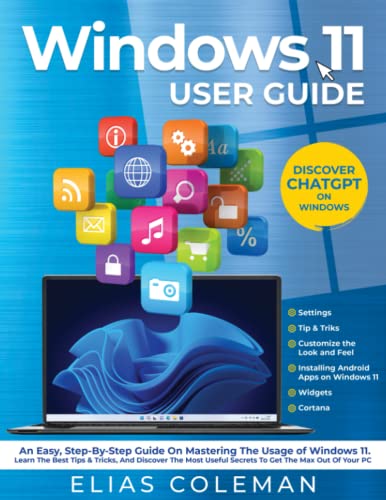

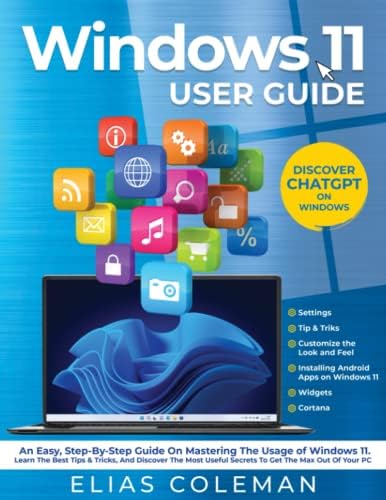
WINDOWS 11 USER GUIDE: An Easy, Step-By-Step Guide On Mastering The Usage Of Windows 11. Learn The Best Tips & Tricks, And Discover The Most Useful Se...
| SELLER | SELLER SCORE | AMAZON FULFILLED | PRIME | FREE SHIPPING |
|---|---|---|---|---|
| Amazon.com | 9.68 | Yes | Yes | Yes |
The ICEWIL Windows 11 User Guide serves as a streamlined roadmap for anyone feeling lost in the latest Microsoft interface. Instead of wading through endless, confusing online forums, this book offers a structured approach to mastering your PC through clear, step-by-step instructions. It focuses heavily on practical application, helping you uncover those hidden secrets and efficiency-boosting tips that make a daily computer experience much smoother. Whether you are trying to navigate the new taskbar or looking to optimize your system settings, the guide breaks down complex technical tasks into digestible segments. It is a solid companion for users who want to move past basic browsing and actually start utilizing the full power of their hardware without the typical technical headache.
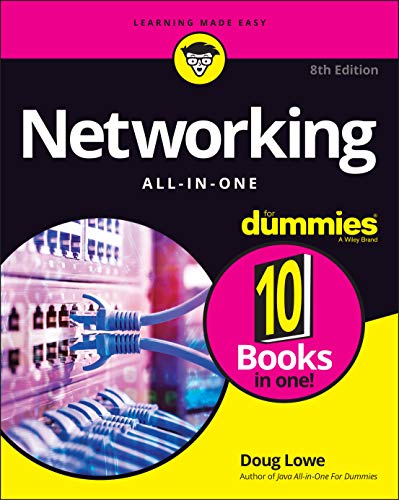
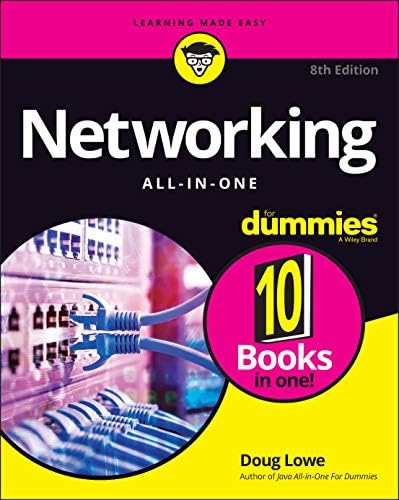
Networking All-in-One For Dummies (For Dummies (Computer/Tech))
| SELLER | SELLER SCORE | AMAZON FULFILLED | PRIME | FREE SHIPPING |
|---|---|---|---|---|
| Amazon.com | 9.68 | Yes | Yes | Yes |
The crisp, matte texture of these instructional pages makes flipping through complex technical concepts feel surprisingly approachable. Networking All-in-One For Dummies serves as a massive, comprehensive toolkit for anyone looking to demystify how data actually moves through a system. Instead of feeling like you are drowning in jargon, the layout helps you navigate everything from basic connectivity to advanced security protocols with ease. It is the kind of resource you keep on your desk for quick troubleshooting or deep-dive learning sessions. It functions as a practical investment for students or IT professionals who need a reliable reference that translates high-level tech into plain English without losing the necessary technical depth.
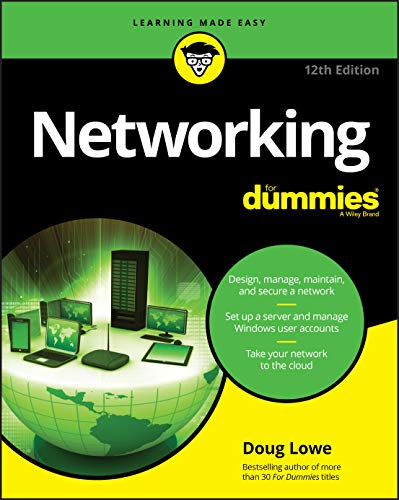

Networking For Dummies
| SELLER | SELLER SCORE | AMAZON FULFILLED | PRIME | FREE SHIPPING |
|---|---|---|---|---|
| Amazon.com | 9.68 | Yes | Yes | Yes |
True technical mastery requires deep foundational knowledge, yet most people settle for a superficial understanding of how their devices actually communicate. Networking For Dummies bridges that gap by stripping away the intimidating jargon that usually keeps beginners at a distance. Instead of just following a manual when your Wi-Fi drops, this book empowers you to understand the actual architecture behind the connection. It functions as a reliable roadmap for anyone looking to move beyond basic troubleshooting into a realm of genuine digital literacy. While the subject matter can be dense, the approachable instructional style makes it feel less like a textbook and more like a conversation with a seasoned IT professional who actually wants you to succeed.
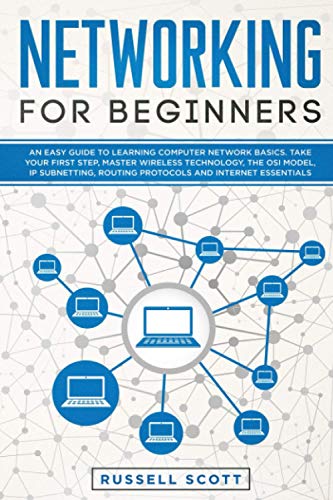

Networking for Beginners: An Easy Guide to Learning Computer Network Basics. Take Your First Step, Master Wireless Technology, the OSI Model, IP Subne...
| SELLER | SELLER SCORE | AMAZON FULFILLED | PRIME | FREE SHIPPING |
|---|---|---|---|---|
| Amazon.com | 9.68 | Yes | Yes | Yes |
Ever wondered how the invisible web of data actually moves through your home and across the globe? Networking for Beginners serves as a practical roadmap for anyone feeling lost in the jargon of modern connectivity. Instead of drowning you in dense academic theory, this guide tackles the essentials like the OSI model and IP subnetting with a focus on clarity. It moves logically from basic internet essentials to more complex routing protocols and wireless technology mastery. It is a refreshing entry point for a student or a hobbyist looking to build a solid foundation without needing a computer science degree first. For a relatively low investment, you get a structured path to understanding the backbone of our digital world.


Windows Home Networking Made Easy: Home and Small Office Connectivity (Windows Made Easy)
| SELLER | SELLER SCORE | AMAZON FULFILLED | PRIME | FREE SHIPPING |
|---|---|---|---|---|
| Amazon.com | 9.68 | Yes | Yes | Yes |
Most people assume that setting up a reliable network requires a degree in computer science, but this guide proves otherwise. Windows Home Networking Made Easy strips away the intimidating jargon that usually makes small office connectivity feel like a nightmare. Instead of drowning in technical manuals, you get a straightforward roadmap for getting your devices talking to each other without the usual headache. It is a surprisingly practical resource for anyone trying to bridge the gap between basic home Wi-Fi and a functional professional setup. It serves as a low-cost insurance policy against the frustration of dropped connections and unconfigured printers. It is the kind of manual you actually want to keep on your desk rather than tossing in a drawer.


| SELLER | SELLER SCORE | AMAZON FULFILLED | PRIME | FREE SHIPPING |
|---|---|---|---|---|
| Amazon.com | 9.68 | Yes | Yes | Yes |
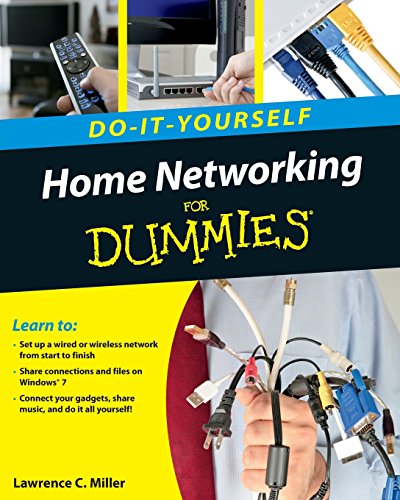
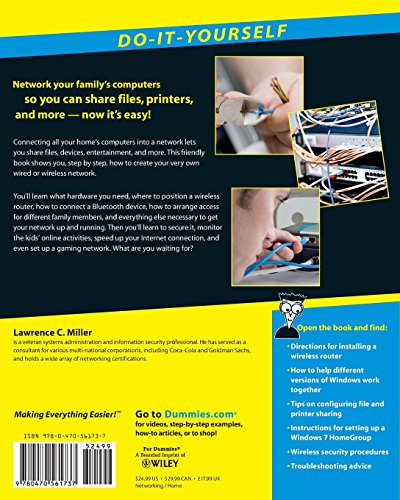

Home Networking Do-It-Yourself For Dummies
| SELLER | SELLER SCORE | AMAZON FULFILLED | PRIME | FREE SHIPPING |
|---|---|---|---|---|
| Amazon.com | 9.68 | Yes | Yes | Yes |
You are staring at a tangled mess of Ethernet cables and a blinking router, wondering why your smart home devices refuse to talk to each other. This guide acts as your personal IT consultant during those frustrating moments of connectivity failure. Instead of calling an expensive technician to fix a simple signal dead zone, you can work through the foundational concepts of network setup and security yourself. The For Dummies approach breaks down intimidating technical jargon into actionable steps that actually make sense for a standard household. It is a practical resource for anyone looking to build a stable, secure digital environment without needing a computer science degree to get started.

| SELLER | SELLER SCORE | AMAZON FULFILLED | PRIME | FREE SHIPPING |
|---|---|---|---|---|
| JOHN WILEY AND SONS INC | 0.00 | No | No | No |


Set Up Your Own IPsec VPN, OpenVPN and WireGuard Server (Build Your Own VPN)
| SELLER | SELLER SCORE | AMAZON FULFILLED | PRIME | FREE SHIPPING |
|---|---|---|---|---|
| Amazon.com | 9.68 | Yes | Yes | Yes |
Set Up Your Own IPsec VPN, OpenVPN and WireGuard Server is a definitive roadmap for anyone tired of relying on third-party privacy providers. Instead of paying monthly fees for a service you don't control, this guide empowers you to build your own secure infrastructure from the ground up. It covers the heavy hitters of the networking world, providing the technical groundwork needed to deploy IPsec, OpenVPN, and the modern, high-speed WireGuard protocol. Whether you are looking to secure a remote office or just want a private tunnel for your home devices, this manual breaks down the complexities of server deployment into actionable steps. It is a practical, no-nonsense resource for tech enthusiasts who value true digital sovereignty and hands-on learning.

The first step in selecting network hardware is auditing your actual needs. Bandwidth requirements are determined by two factors: your incoming internet speed and the number of concurrent devices. If you have a gigabit connection but use an outdated single-band router, you are effectively bottlenecking your own performance. Furthermore, consider 'device density.' A modern household often contains dozens of connected entities, from smartphones and laptops to smart lightbulbs and security cameras. Look for hardware that supports high-capacity handling, specifically those utilizing the latest Wi-Fi standards, which are designed to manage multiple simultaneous connections without significant latency spikes.
The architecture of your network is the most critical decision you will make. A traditional standalone router is excellent for small apartments or single-story homes where the central hub can broadcast a signal to every corner. However, if you live in a multi-story house or a home with thick masonry walls, a single router will inevitably create 'dead zones.'
For larger or complex layouts, Mesh Wi-Fi systems are the superior choice. Unlike traditional range extenders—which often create a separate, slower network that requires manual switching—mesh systems use multiple nodes that communicate with each other to create a single, unified network fabric. This allows your devices to roam seamlessly from one room to another without losing connection. When shopping for mesh, ensure the nodes support seamless handoffs to maintain stability while moving.
When evaluating hardware specifications, look specifically at the Wi-Fi generation. The most recent standards offer significantly better throughput and improved efficiency in crowded environments. Pay close attention to 'Tri-band' versus 'Dual-band' capabilities. Dual-band routers operate on the 2.4GHz and 5GHz frequencies. While 2.4GHz travels further through walls, it is slower and prone to interference. The 5GHz band is much faster but has shorter range. A Tri-band router adds a second 5GHz band (or a 6GHz band in the latest iterations), which acts as a dedicated 'highway' for data, preventing your heavy gaming or streaming traffic from competing with your smart home sensors.
While the goal of most modern networks is wireless freedom, a professional-grade home network should never ignore wired connections. For stationary high-bandwidth devices like gaming consoles, desktop computers, or media servers, a wired Ethernet connection provides lower latency and higher stability than any wireless signal. When selecting networking hardware, check for the number of available LAN ports and ensure they support Gigabit speeds or higher. If you are building a comprehensive setup, consider a network switch to expand the number of wired connections available in your central media hub or office.
Finally, treat your network hardware as a security gateway. Look for routers that offer robust encryption protocols and easy firmware update cycles. Features like WPA3 encryption and built-in guest network capabilities are essential for protecting your primary data from visitors or compromised IoT devices. To future-proof your investment, opt for hardware that is compatible with upcoming protocols and has enough processing power to handle the increasing data demands of the next five years.
Quick answers about Home Computer Networks before you buy.
Share of top-ranked products by brand, from our editorial analysis.
We've carried out a comprehensive analysis of 1,618 reviews on Home Computer Networks, using our selection criteria to identify the best options in the computers & technology. Our findings reveal that most customers typically select Home Computer Networks priced around $17.76, with top brands including independently published, for dummies and no starch press and icewil.
Our team of expert editors reviewed these high-quality items and handpicked the top 9 Home Computer Networks for your consideration. We've also done extensive research on numerous sellers, identifying the best ones in the computers & technology category — including amazon.com, hippo books and amazon.com services llc and john wiley and sons inc.
We are dedicated to assisting our users in finding the right hardware Products based on their needs, saving them considerable time when choosing which Home Computer Networks to buy. We take pride in the number of satisfied users we've helped through our thorough and insightful reviews.
Compare the top 9 picks at a glance — select a column to sort.