Understand Your Loadout Philosophy
The first step in selecting a Vanquest system is determining whether you need a dedicated belt-based setup or a modular bag system. Belt-based systems are designed for high-speed access. These are ideal for hunters who want to keep their hands free for climbing or glassing while ensuring that essential items like extra magazines, multi-tools, or GPS units are strapped directly to their waist. Bag systems, on the other hand, offer higher capacity. If your hunt involves multi-day treks where you need to carry more than just immediate essentials, a bag system provides the volume necessary for sustenance and additional gear. Decide if you want your gear to move with your core (belt) or sit on your shoulders/back (bag).
Modular Integration and Compatibility
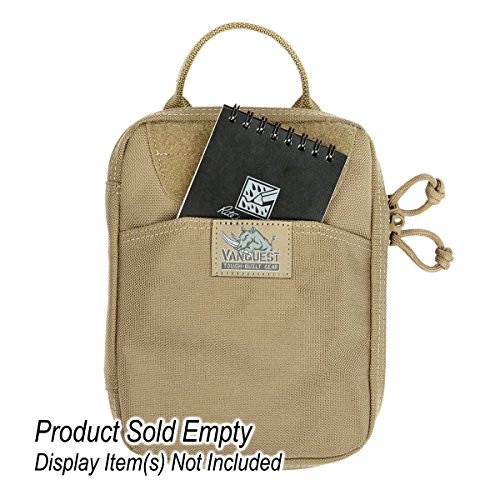
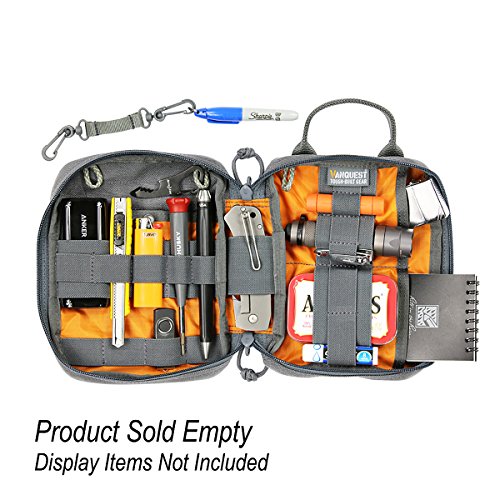
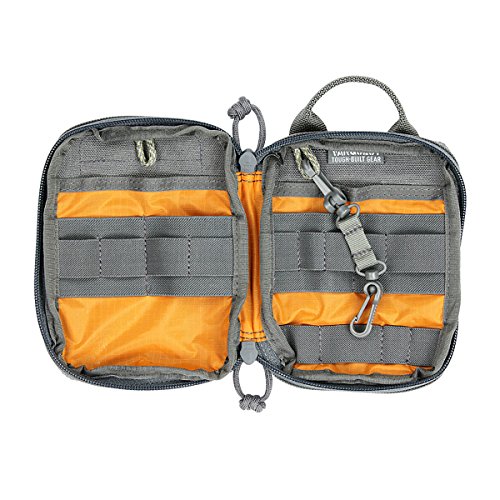
One of the defining characteristics of high-end hunting gear is modularity. When browsing Vanquest options, look closely at how the pouches and bags attach to the primary platform. A superior system allows you to strip down a bag for a lightweight scout mission or expand it for a heavy-duty expedition. Check for compatibility with standard attachment patterns. This allows you to swap out a small utility pouch for a larger medical kit depending on the day's objectives. If you are buying a belt, ensure the attachment points are reinforced to prevent 'sagging' when loaded with heavy metal components or dense tools.
Durability and Material Resilience
Hunting gear lives in harsh environments. You will be scraping against granite, dragging through brush, and exposing your gear to moisture and extreme temperatures. Look for high-denier nylon construction that resists abrasion and tearing. The hardware is equally important. Heavy-duty buckles and high-quality zippers are non-negotiable. A zipper failure in the middle of a backcountry trek can render an entire bag useless. Furthermore, consider the weatherproofing. While no bag is entirely waterproof, materials that offer water resistance will protect your electronics and sensitive optics from sudden downpours and morning dew.
Ergonomics and Weight Distribution
The best bag in the world is useless if it causes fatigue within the first two miles. For belt systems, look for wide, padded waistbands that distribute weight evenly across the hips rather than concentrating it on the lower back. For larger bags, examine the strap configuration. Padded shoulder straps and load-lifters are essential for shifting weight from the shoulders to the hips, which is vital for maintaining balance on uneven terrain. A well-designed system should feel like an extension of your body, not an external weight pulling you off balance.
Capacity vs. Accessibility
The ultimate trade-off in hunting gear is capacity versus accessibility. A massive bag can hold everything you own, but it makes finding a specific item difficult. Conversely, a streamlined belt is incredibly fast to use but offers limited storage. The smartest way to shop is to categorize your gear into 'immediate' and 'secondary.' Your immediate gear (ammo, knife, compass) should fit on a belt or in an easily accessible outer pocket. Your secondary gear (extra layers, food, repair kits) should reside in the main compartment of a larger bag. The ideal Vanquest setup often involves a hybrid approach, utilizing a belt for speed and a bag for volume.