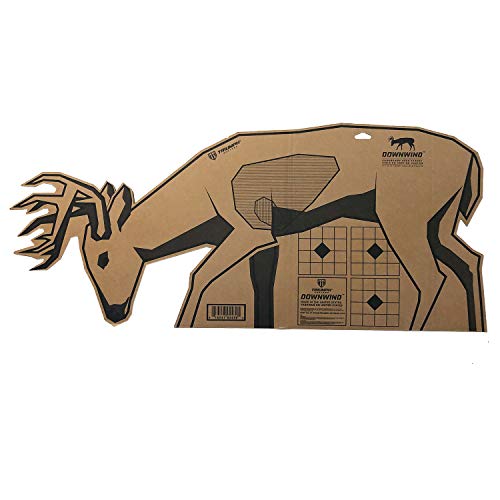
Prioritizing Target Longevity and Protection
One of the most significant investments a hunter makes is in their steel or composite silhouettes. To protect this investment, you should look for accessories specifically designed to mitigate impact damage. Replacement faceplates and specialized coatings are essential if you frequently practice with high-velocity calibers. When selecting protective components, consider the material composition. High-density polymers often provide a better balance of impact absorption and realistic visual feedback than cheaper alternatives. If you are using steel targets, look for accessories that help manage 'splashback' or metal fragments, ensuring that your shooting area remains safe for you and your companions.
Mobility and Field Setup Solutions
Hunting targets are rarely used in a backyard. They are often deployed in remote fields, wooded areas, or temporary ranges. This makes portability a primary decision factor. When browsing accessories, prioritize lightweight, collapsible stands and modular mounting systems. A high-quality tripod or ground stake system should be rugged enough to withstand uneven terrain and wind resistance without requiring constant readjustment. Look for mounting hardware that utilizes quick-release mechanisms, allowing you to transition from transport to active shooting in seconds. If you frequently move between locations, consider integrated carrying solutions or specialized bags designed to keep your mounting hardware and spare parts organized and protected from the elements.
Enhancing Visibility and Accuracy
Effective training requires clear visual feedback. In low-light conditions or during dawn and dusk hunts, target visibility becomes a challenge. Look for accessories that incorporate high-visibility markers or specialized reflective elements that do not compromise the realism of the silhouette. Additionally, consider accessories that allow for distance adjustment. A modular system that lets you quickly swap out different distance markers or height-adjustable stands will allow you to simulate various hunting scenarios—from long-range shots to close-quarters encounters—without having to reset your entire range.
Durability and Environmental Resistance
Because these accessories are often used in harsh outdoor environments, material science is a critical factor. Avoid accessories that rely heavily on thin plastics or lightweight metals that are prone to rust or UV degradation. Instead, seek out powder-coated steel, anodized aluminum, or heavy-duty reinforced polymers. The best accessories are those that can be left in the field or in the back of a truck without fear of corrosion or structural failure. When evaluating a product, check for weather-resistant seals on any mechanical parts and ensure that the hardware is treated to withstand moisture and temperature fluctuations.
Summary Recommendation Logic
When making your final selection, use this hierarchy of needs: First, determine if your primary goal is protection (focus on faceplates and coatings), portability (focus on stands and mounting hardware), or versatility (focus on adjustable stands and distance markers). If you are a mobile hunter, lean heavily into lightweight, modular mounting systems. If you are a stationary range owner, prioritize heavy-duty protection and high-visibility enhancements to maximize the lifespan and utility of your existing targets.