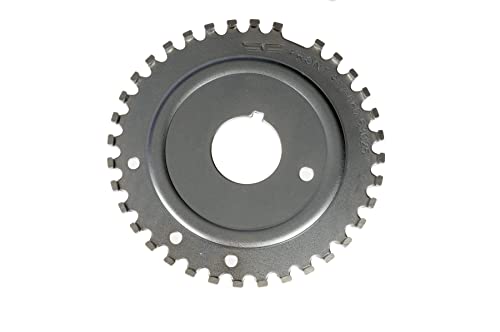
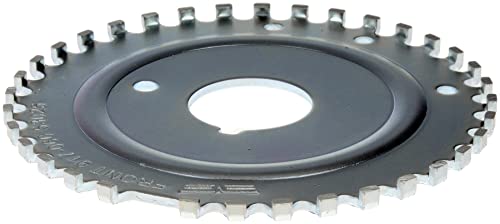
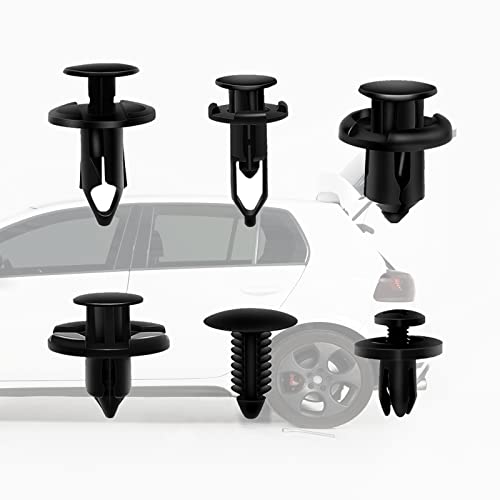
Understanding the Role of Clips in Trigger Assemblies
In the context of ignition trigger assemblies, 'clips' typically refer to the retaining hardware or the tensioning components that secure the trigger wheel to the crankshaft or camshaft, or hold the sensor in its precise spatial orientation. Because these components operate in high-vibration, high-heat environments, they are not mere fasteners. They are precision-engineered tension elements. A clip that loses its spring tension or fails to seat properly will allow the trigger wheel to wobble, creating 'timing jitter' that confuses the Engine Control Unit (ECU).
Key Decision Factor: Material Composition and Heat Resistance
Ignition components live in the most punishing part of the engine block. When evaluating clips and assembly hardware, you must prioritize metallurgy. Look for stainless steel or high-grade spring steel that has undergone specific heat-treatment processes. Avoid generic hardware-store alternatives. A high-quality clip must maintain its 'memory'—the ability to return to its original shape—even after thousands of thermal cycles from engine startup to peak operating temperatures. If a clip becomes brittle or loses its clamping force due to heat, the resulting timing inaccuracy can cause catastrophic engine knock.
Precision Fit and Tolerances
The most critical aspect of a trigger wheel assembly is the tolerance. The clips must ensure that the wheel is positioned with micron-level accuracy. When shopping, look for assemblies that specify compatibility with your specific engine's timing geometry. Even a fraction of a millimeter of play caused by a loose clip can shift your ignition timing by several degrees. This shift can be the difference between a smooth idle and an engine that refuses to stay running. Always verify that the clip design is specifically engineered for the load-bearing requirements of a rotating assembly rather than a static mounting application.
Installation Integrity and Vibration Dampening
Because the trigger wheel rotates at high RPMs, the assembly is subject to intense centrifugal forces and harmonic vibrations. A superior clip design will incorporate a degree of vibration resistance, ensuring that the assembly does not back out or shift during high-speed operation. When selecting your parts, consider whether the assembly includes specialized locking mechanisms or if the clips are designed to work in conjunction with specific torque requirements. A 'set it and forget it' component is only effective if the initial tensioning is guaranteed by the clip's engineering.
Recommendation Logic
To make the right choice, follow this hierarchy: First, match the component to the specific engine architecture (crankshaft vs. camshaft driven). Second, prioritize OEM-spec materials over generic alloys to ensure thermal stability. Third, look for kits that include all necessary retaining clips to ensure you aren't reusing old, fatigued hardware. If you are performing a performance rebuild, opt for heavy-duty, high-tension clips that can withstand increased rotational speeds without deflection.