Understanding Magnetic Material Grades
The first decision factor in selecting an industrial magnet is the material grade. Most high-performance magnets fall into two categories: Neodymium (NdFeB) and Samarium Cobalt (SmCo). Neodymium magnets offer the highest magnetic energy product, making them the gold standard for compact applications requiring immense pulling force. However, they are sensitive to high temperatures and corrosion. If your industrial application involves extreme heat or corrosive chemical environments, Samarium Cobalt is the superior choice. While SmCo offers slightly lower raw magnetic strength than Neodymium, its ability to maintain stability in high-temperature settings and its exceptional corrosion resistance make it indispensable for aerospace and chemical processing industries.
Calculating Pull Force vs. Shear Force
One of the most common mistakes in industrial procurement is selecting a magnet based solely on its 'pull force' rating. Pull force is the amount of tension required to pull a magnet straight off a flat, thick steel plate. However, in most real-world industrial scenarios—such as mounting a sensor or holding a workpiece in place—the magnet is subjected to 'shear force' (sliding force). Shear force is typically significantly lower than pull force. When reviewing technical specifications, always evaluate the sliding resistance. If your application involves lateral movement or vibration, you must choose a magnet with a high coefficient of friction or a geometry specifically designed to resist sliding.
Coating and Environmental Protection
Industrial environments are rarely pristine. Whether you are working in a marine setting, a woodworking shop, or a metal fabrication facility, the environment will attempt to degrade your magnet. Neodymium magnets are highly susceptible to oxidation. Therefore, the quality of the coating is paramount. Look for high-grade Nickel-Copper-Nickel (Ni-Cu-Ni) plating for general protection, or specialized epoxy coatings for heavy-duty moisture resistance. For applications involving saltwater or harsh acids, ensure the magnet is either Samarium Cobalt or has been encapsulated in a protective resin to prevent the magnetic material from crumbling due to corrosion.
Geometry and Application-Specific Shapes
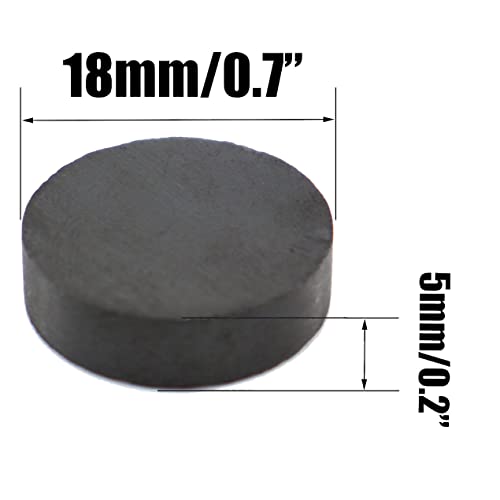
The shape of the magnet dictates how the magnetic field is distributed. A block magnet provides a uniform field ideal for clamping, whereas a ring magnet is often used for axial applications where a component must slide over the magnet. If you are looking for lifting magnets, look for designs that incorporate a mechanical clamping mechanism to ensure safety. For material separation in conveyor systems, disc or cylindrical magnets are often preferred to create a specific field pattern that captures ferrous debris without obstructing the flow of non-magnetic materials. Always match the geometry to the physical constraints of your machinery.
Temperature Stability and Demagnetization Risks
Every magnetic material has a 'Curie temperature'—the point at which it loses its magnetic properties entirely—but more importantly, they have a 'Maximum Operating Temperature.' Using a Neodymium magnet in an environment that exceeds its rated temperature will lead to permanent demagnetization. Before purchasing, verify the temperature coefficient of the magnet. If your industrial process involves heat-treating, welding, or high-friction machinery, you must select a grade specifically rated for high-temperature stability to avoid catastrophic failure and downtime.