Understanding Substrate Compatibility
The most critical factor in selecting an installer bit is matching the bit's tip geometry and coating to your specific material. Irwin offers various configurations designed for different densities. If you are working primarily with drywall and light masonry, you need a bit designed to clear dust efficiently to prevent overheating. For harder materials like concrete or natural stone, look for bits featuring carbide tips. Carbide provides the necessary hardness to penetrate without the cutting edge dulling instantly. Using a wood-rated bit on masonry will not only ruin the bit but can also cause dangerous kickback in your drill.
Tip Geometry and Hole Precision
Standard drill bits often create a 'conical' hole—wider at the surface and narrower at the depth—which is a nightmare for installing expansion anchors. High-quality installer bits are designed to produce a clean, cylindrical bore. Pay close attention to the tip design: some bits feature a centered pilot point which prevents 'walking' or sliding across the surface when you start the hole. This is essential when working with smooth tiles or polished stone. A bit that stays centered ensures that your anchor enters the hole straight, providing maximum load-bearing capacity.
Before finalizing your purchase, verify the shank type of the bit. Most installer bits come in standard hex shanks, which are ideal for impact drivers, or round shanks meant for traditional drill chucks. If you are using an impact driver for high-torque installation tasks, a hex shank is non-negotiable to prevent slipping. Additionally, consider the length of the bit. While longer bits allow for deeper holes, they are more prone to flexing. For shallow installations like mounting picture rails, a shorter, more rigid bit offers better control. For deep-set masonry anchors, you will need a longer flute to allow for effective dust extraction.
Dust Extraction and Flute Design
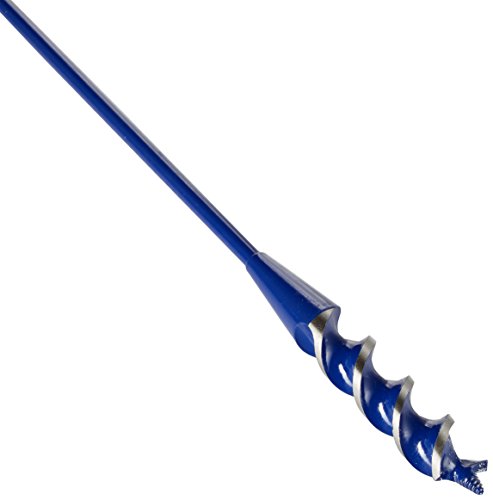
One of the most overlooked aspects of drilling into masonry or drywall is debris management. As the bit penetrates, dust builds up in the hole, creating friction that can melt the bit or clog the hole, preventing the anchor from seating. Look for bits with optimized flute designs—the spiral grooves along the shaft. Effective flutes act as a conveyor belt, pulling debris out of the hole as you drill. If the flutes are too shallow, you will spend more time pulling the bit out to clear dust, which slows down your workflow and increases the risk of heat damage to the material.
Recommendation Logic
To make the best decision, follow this hierarchy: First, identify your hardest material (e.g., concrete vs. drywall). Second, select a bit with a carbide tip if masonry is involved. Third, match the shank to your power tool. If you are a professional installer doing repetitive work, prioritize bits with high-grade coatings that offer longevity. If you are a DIYer doing a one-off project, focus on a multi-material bit that offers versatility across different household substrates.